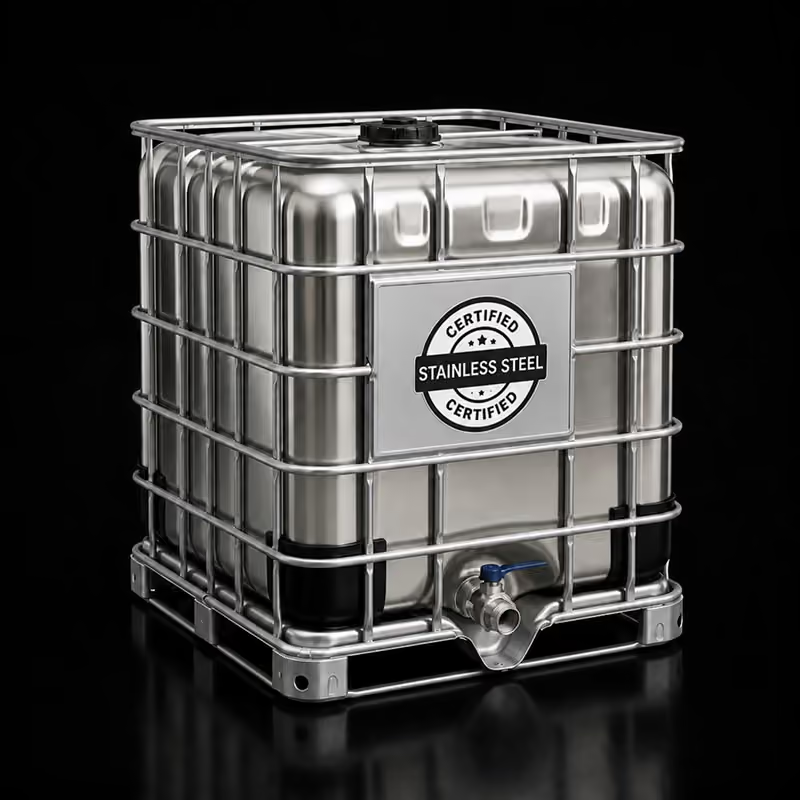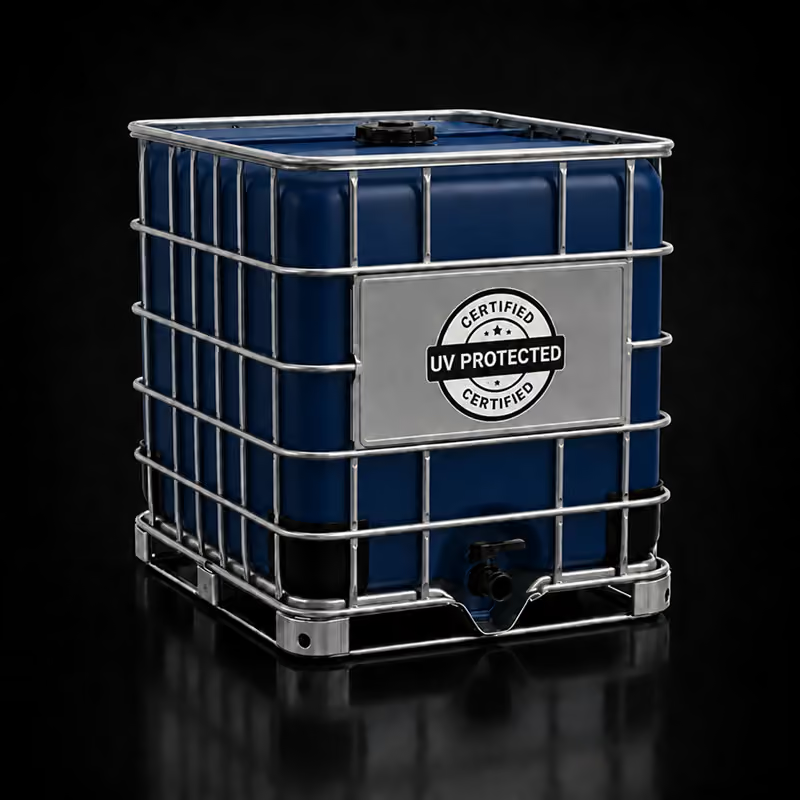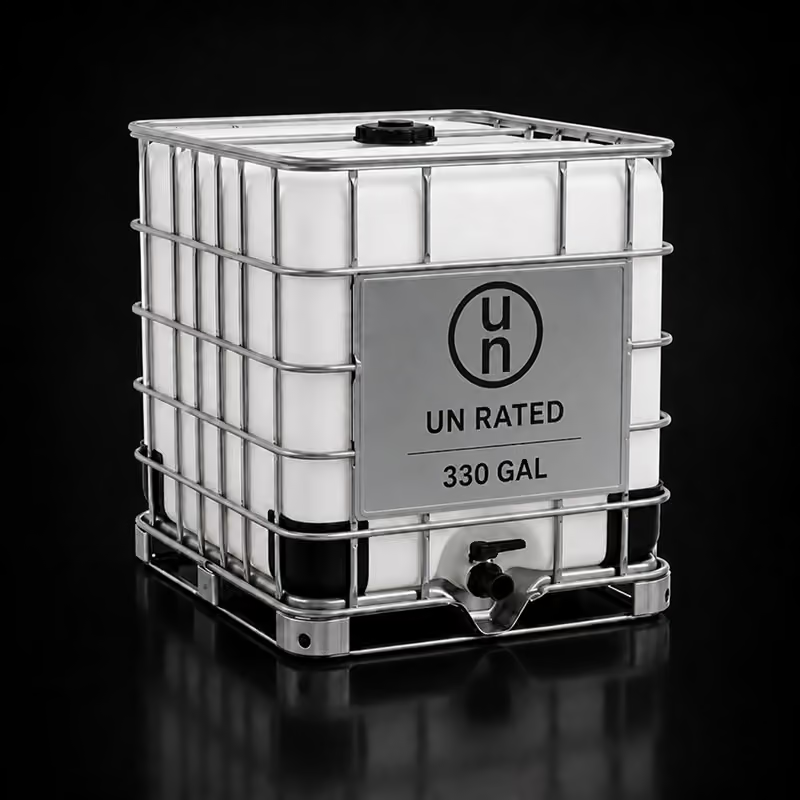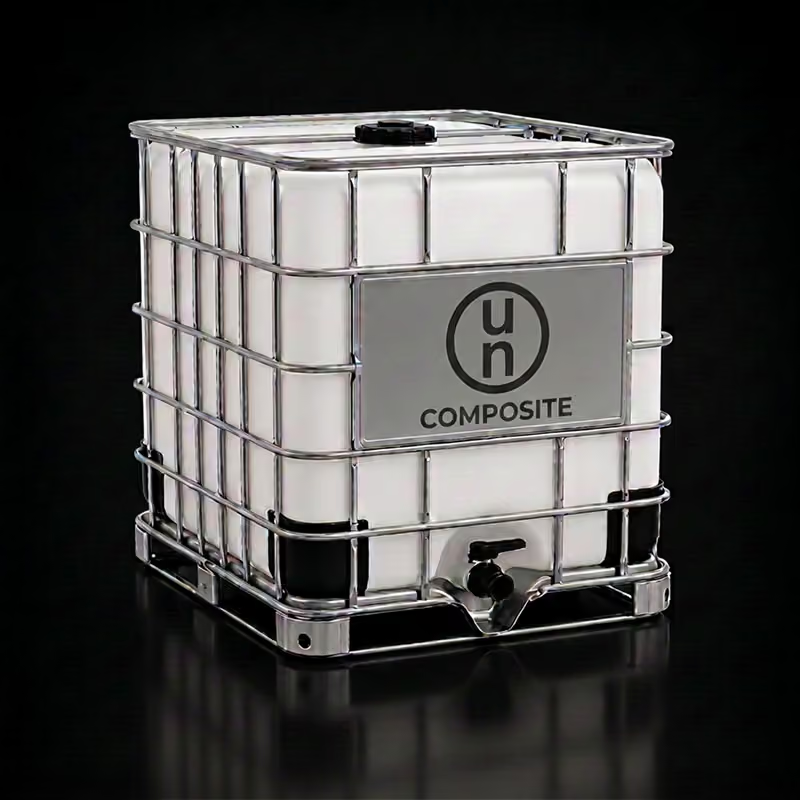
UN-rated composite IBC totes are manufactured and tested to hazardous-material packaging standards for eligible regulated liquids. A durable HDPE bottle sits inside a protective steel cage, with ball or butterfly valves to match your process.
Composite IBCs in UN/DOT-rated configurations for many Packing Group II and III materials. The marking on the cage states the approved packing group and maximum specific gravity, which must be matched to your product classification before shipping.
Blow-molded HDPE bottle resists a broad range of acids, caustics, and cleaners.
Welded tubular frame with an integrated pallet base absorbs handling and stacking loads.
Ball, butterfly, and camlock outlets matched to viscosity and facility connections.
Three condition tiers let you match contamination risk to budget.
Bulk Liquid Ingredients
Edible Oils & Syrups
Industrial Chemicals
Acids & Caustics
Cleaning Products
Water Treatment Chemicals
Process Water & Wastewater
Oils & Lubricants
Hazardous Liquids
Verify HDPE resistance at your concentration and temperature to prevent permeation or stress cracking.
Match bottle condition to your contamination tolerance and budget.
Ball valves for thin liquids, butterfly for viscous product, camlock for quick connections.
Confirm whether your material classification requires a UN-rated tote before ordering.
An IBC tote, or intermediate bulk container, is a palletized industrial container used to store, transport, and dispense bulk liquids, pastes, powders, or granular materials. The common composite version is an HDPE bottle inside a galvanized steel cage on an integrated pallet base.
A new IBC tote uses a new bottle, cage, and pallet. A rebottled IBC generally combines a new inner bottle with a reused and inspected cage. A reconditioned IBC generally uses a previously used bottle and cage that have been cleaned and inspected.
A UN-rated IBC tote has been manufactured and tested to a specific hazardous-material packaging standard. The rating must still be checked against the product's classification, packing group, density, and transportation requirements.
Common options include ball valves, butterfly valves, camlock connections, and threaded outlets. The correct valve depends on product viscosity, flow requirements, chemical compatibility, and facility connections.
The most common rigid composite IBC tote capacities are 275 gallons and 330 gallons. Both generally use a comparable pallet footprint, so the practical difference is overall height, filled weight, and volume per pallet position.