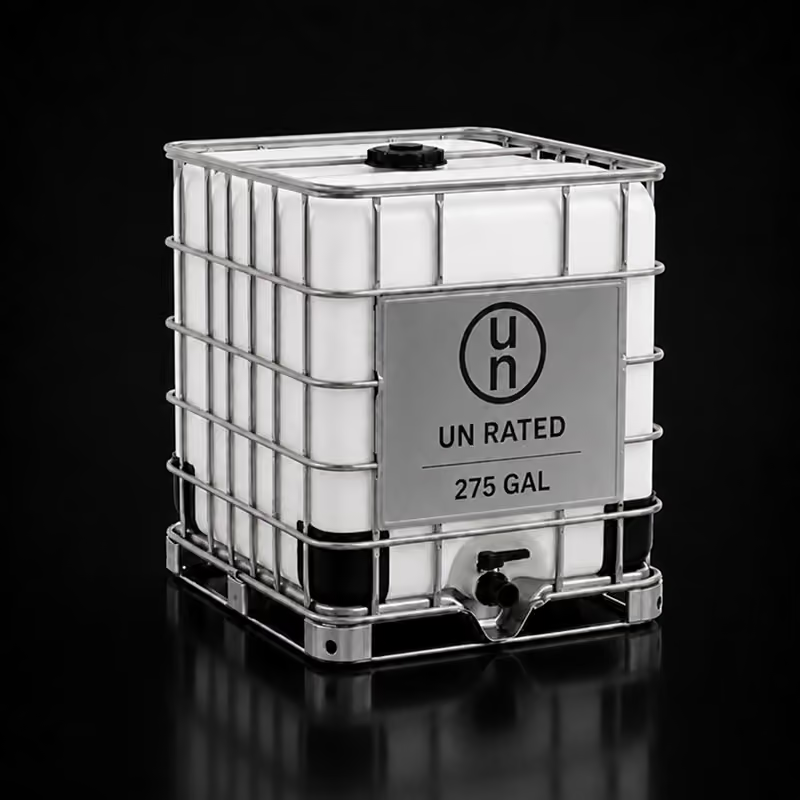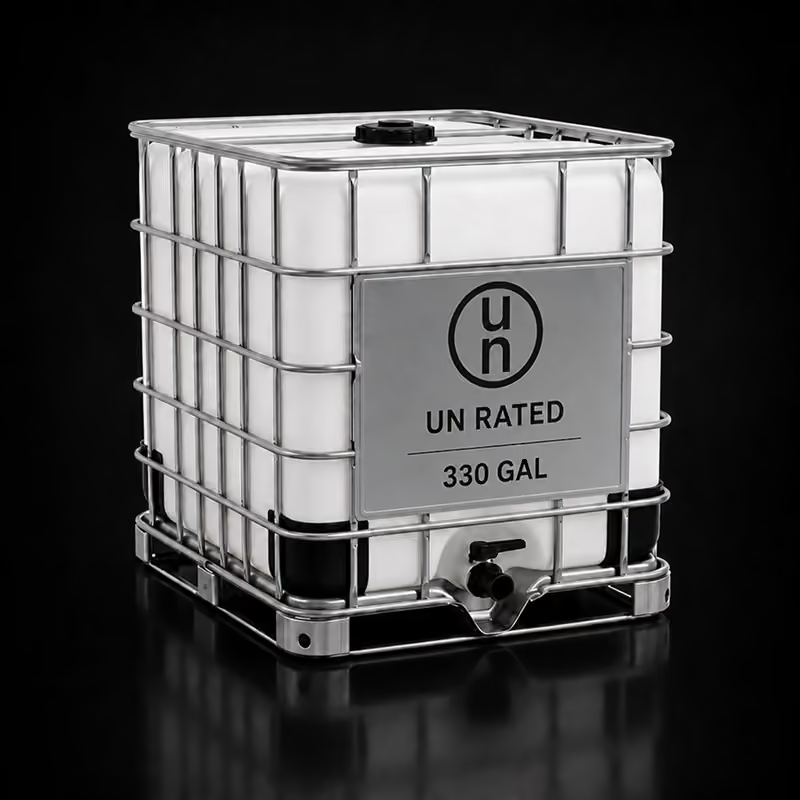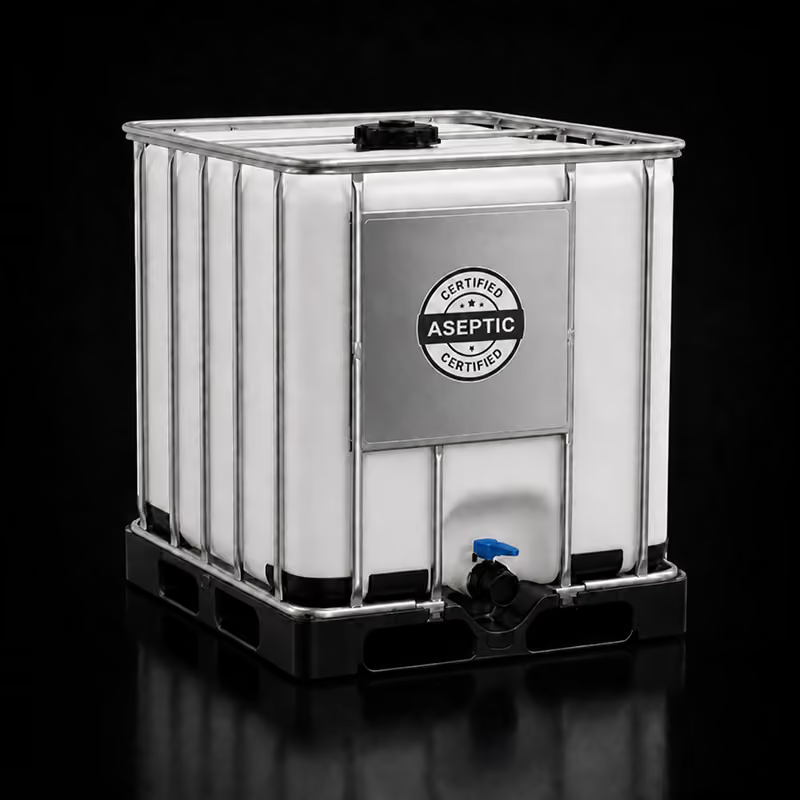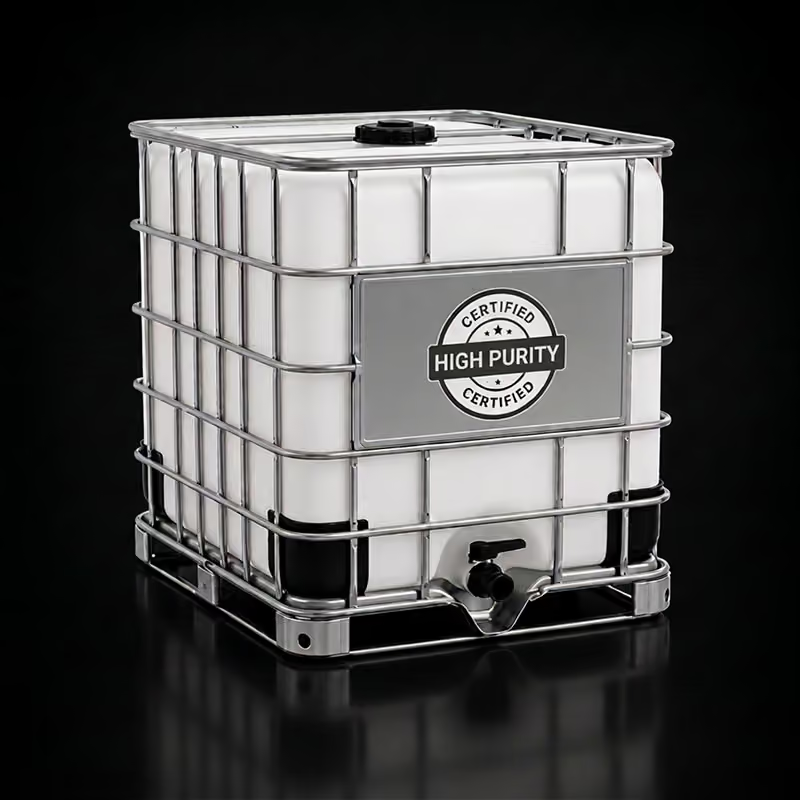
High-purity composite IBC totes use a new HDPE inner bottle and tamper-evident closures to keep product-contact surfaces controlled and documented. They are the practical choice for sensitive materials that do not need the cost of stainless.
Composite totes specified for purity: a new bottle every time, controlled product-contact surfaces, and sealed closures that document chain of custody. Available in 275- and 330-gallon sizes for compatible sensitive materials.
New bottles or replaceable liners keep product-contact surfaces fully traceable.
Smooth, non-porous surfaces withstand repeat cleaning and sanitation cycles.
Sealed closures document chain of custody from fill through delivery.
Stainless tanks return, clean, and refill for high-value recurring programs.
Bulk Liquid Ingredients
Edible Oils & Syrups
Industrial Chemicals
Acids & Caustics
Cleaning Products
Water Treatment Chemicals
Process Water & Wastewater
Oils & Lubricants
Hazardous Liquids
Choose 316 stainless for repeat sanitation and long service, new composite for single-fill programs.
Decide between a new bottle, a replaceable liner, or a polished stainless interior.
Confirm the tote tolerates your CIP, steam, or liner-swap changeover procedure.
Request certificates of conformance and cleaning records for regulated products.
An IBC tote, or intermediate bulk container, is a palletized industrial container used to store, transport, and dispense bulk liquids, pastes, powders, or granular materials. The common composite version is an HDPE bottle inside a galvanized steel cage on an integrated pallet base.
No. A tote should only be used for food or beverage products when its materials, manufacturing history, and condition are appropriate for that application. Reconditioned or previously used totes should not be assumed to be food grade.
Many IBC totes can be reused, rebottled, or reconditioned when permitted by the container design, previous contents, inspection requirements, and intended application. Stainless-steel IBCs are built specifically for repeated closed-loop service.
A new IBC tote uses a new bottle, cage, and pallet. A rebottled IBC generally combines a new inner bottle with a reused and inspected cage. A reconditioned IBC generally uses a previously used bottle and cage that have been cleaned and inspected.
Common options include ball valves, butterfly valves, camlock connections, and threaded outlets. The correct valve depends on product viscosity, flow requirements, chemical compatibility, and facility connections.