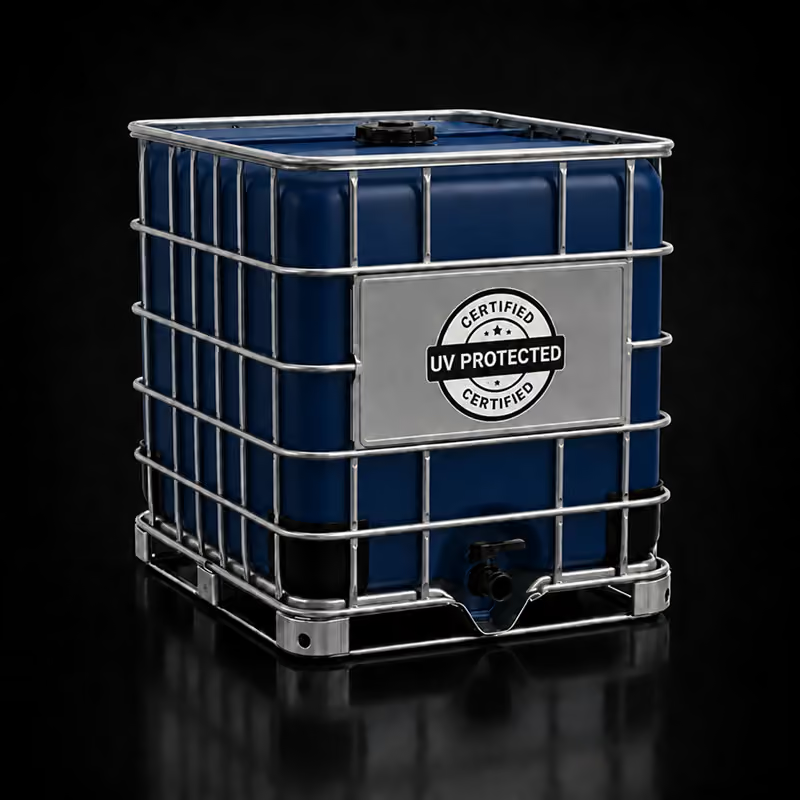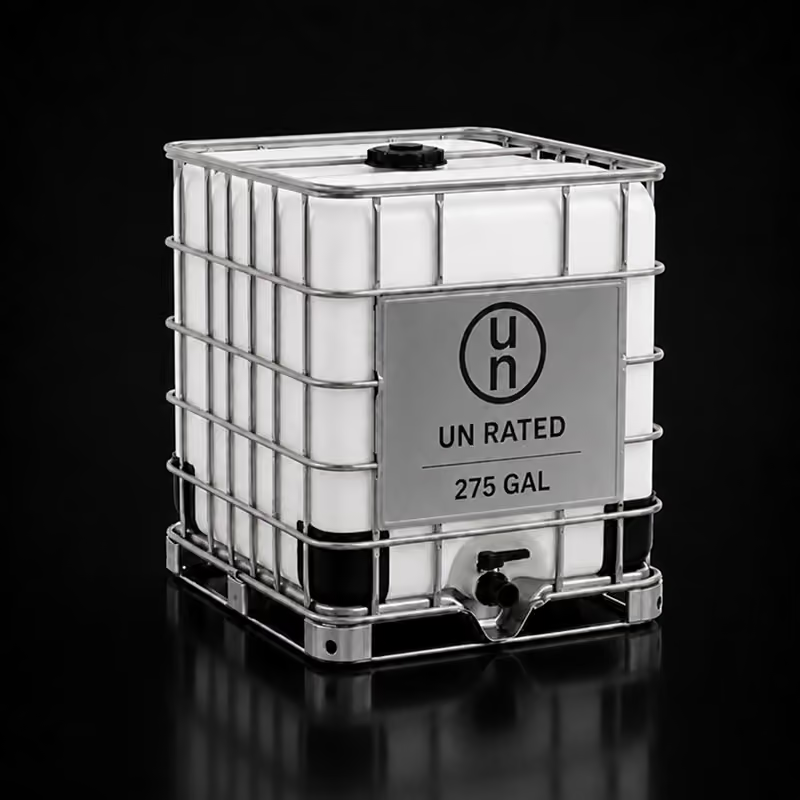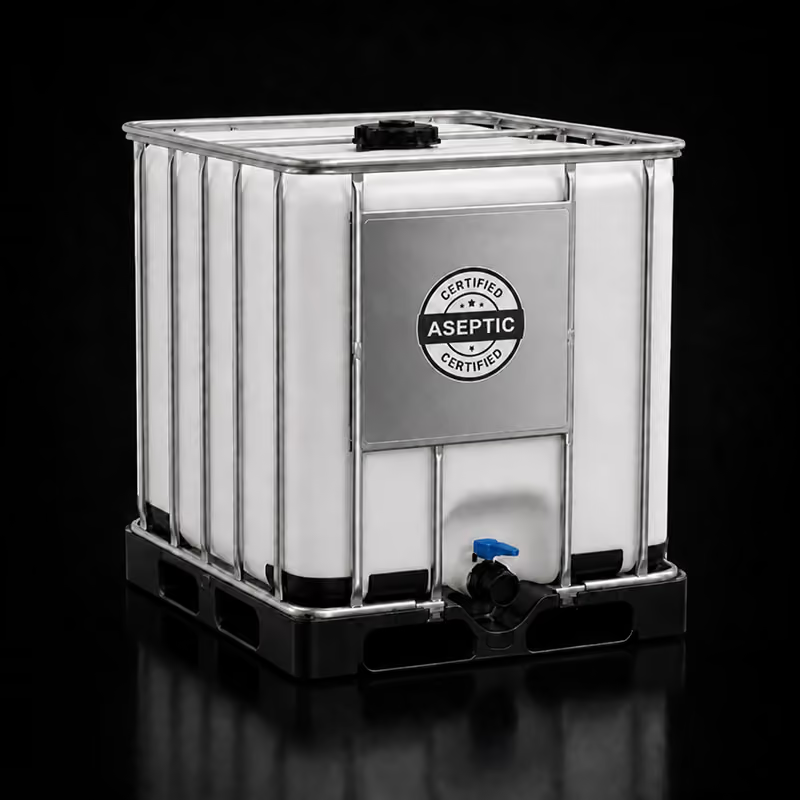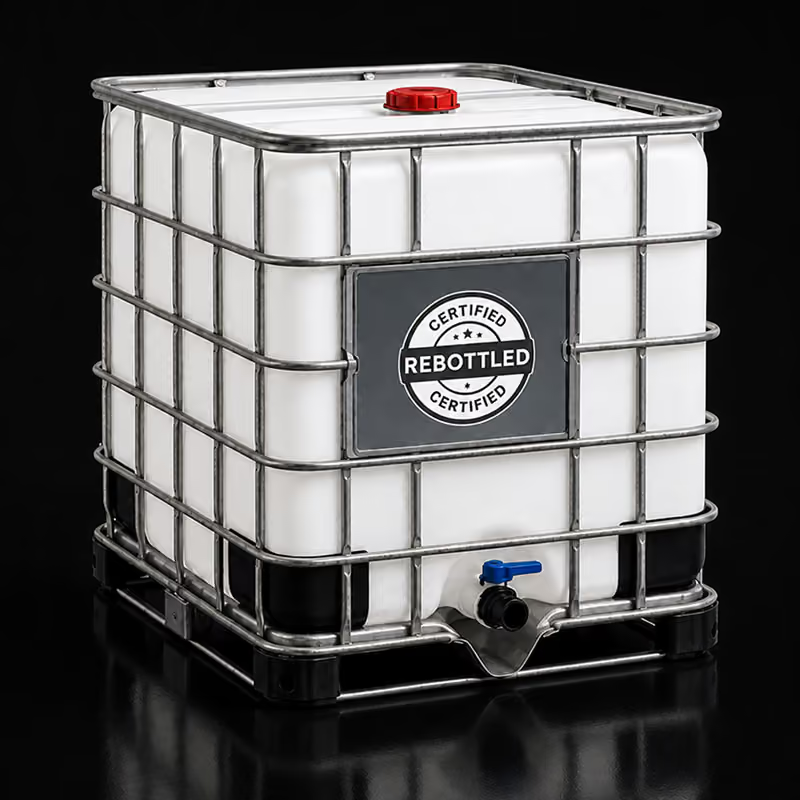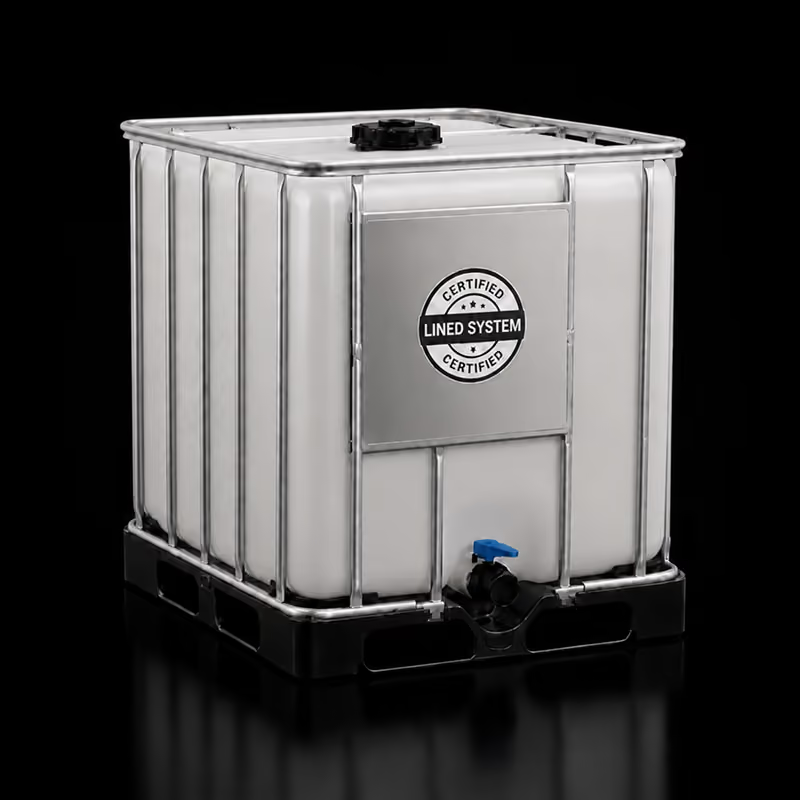
Conductive and antistatic IBC totes are designed to help manage static-related risks in specialized chemical applications. Configurations may include conductive components or grounding features, and every application requires a specific safety review.
Specialized composite totes for processes where static accumulation is a concern during filling and discharge. Conductive bottle formulations and grounding hardware are available, but suitability always depends on an application-specific safety review.
UN/DOT-marked configurations available for eligible Packing Group II and III liquids.
The rating must be confirmed against product classification, density, and mode of transport.
Galvanized frame shields the inner bottle from impact during regulated transport.
Gasketed fill caps and rated valves maintain a leak-tight seal in transit.
Bulk Liquid Ingredients
Edible Oils & Syrups
Industrial Chemicals
Acids & Caustics
Cleaning Products
Water Treatment Chemicals
Process Water & Wastewater
Oils & Lubricants
Hazardous Liquids
Identify UN number, packing group, and specific gravity before selecting a rating.
The UN marking must cover your packing group, density, and intended mode of transport.
Flammable or static-sensitive products may require conductive or grounded configurations.
Dense regulated liquids often reach the weight limit before the volume limit.
An IBC tote, or intermediate bulk container, is a palletized industrial container used to store, transport, and dispense bulk liquids, pastes, powders, or granular materials. The common composite version is an HDPE bottle inside a galvanized steel cage on an integrated pallet base.
A UN-rated IBC tote has been manufactured and tested to a specific hazardous-material packaging standard. The rating must still be checked against the product's classification, packing group, density, and transportation requirements.
The most common rigid composite IBC tote capacities are 275 gallons and 330 gallons. Both generally use a comparable pallet footprint, so the practical difference is overall height, filled weight, and volume per pallet position.
Many rigid IBC totes are designed to be stacked under specified conditions. Always follow the manufacturer's stacking, weight, and storage instructions for your configuration and contents.
Common options include ball valves, butterfly valves, camlock connections, and threaded outlets. The correct valve depends on product viscosity, flow requirements, chemical compatibility, and facility connections.