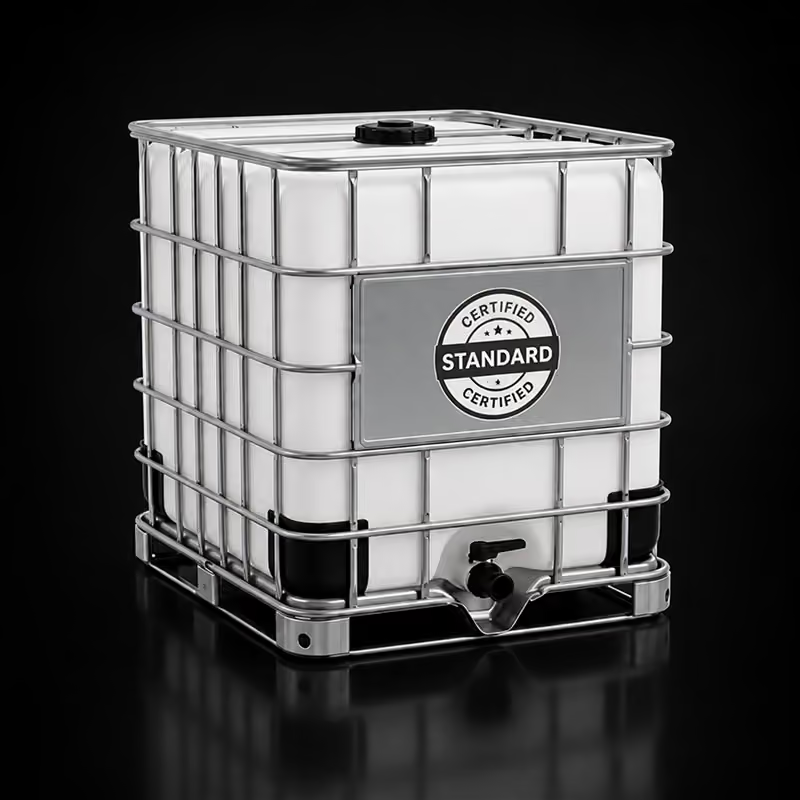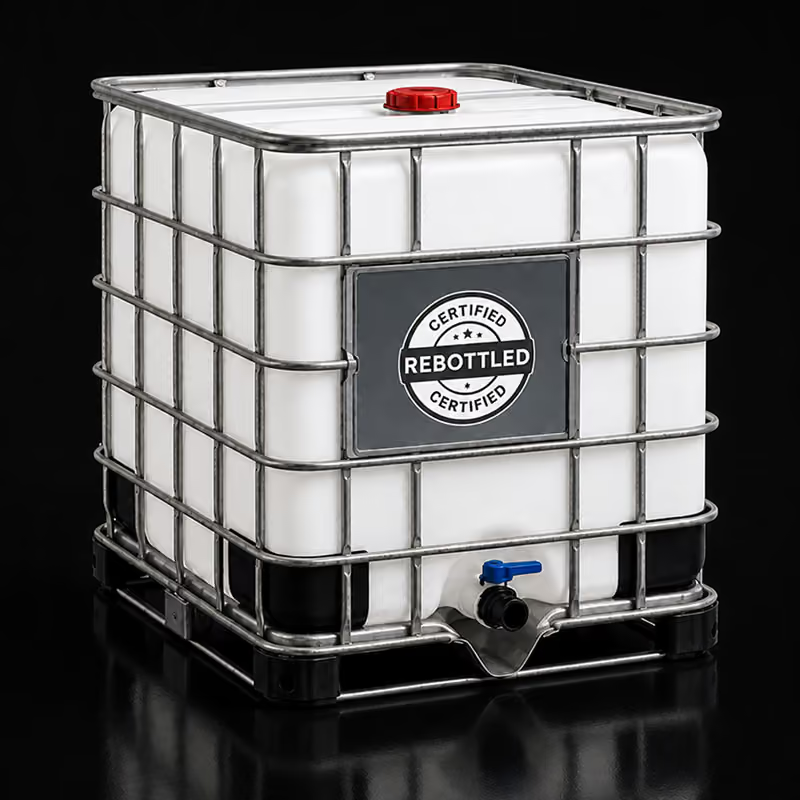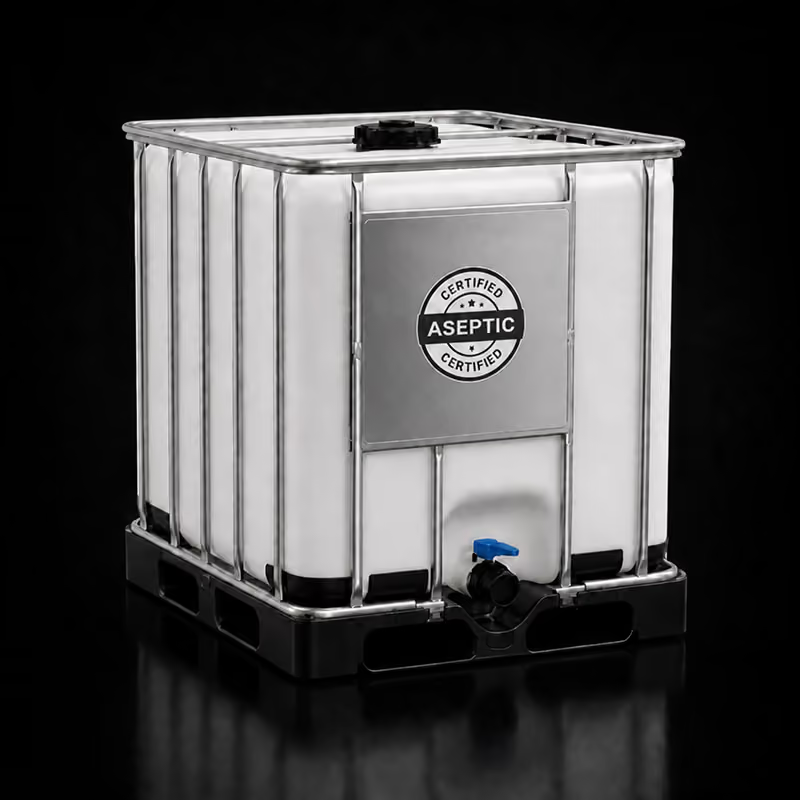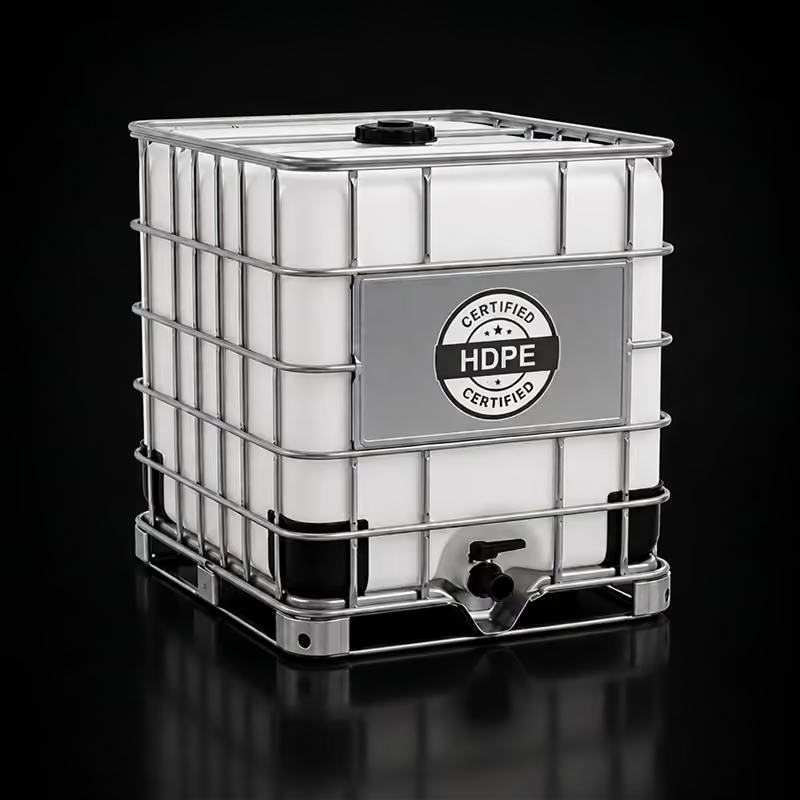
Composite HDPE IBC totes handle bulk lubricants, oils, additives, and petroleum-based products in a chemical-resistant bottle inside a protective galvanized cage. A bottom-discharge valve drains product cleanly and reduces residual waste.
The standard tote for bulk lubricant handling: HDPE bottle, galvanized steel cage, bottom-discharge valve, 275 or 330 gallons. One tote replaces roughly five drums of lubricant, which is five fewer containers to move, store, and dispose of.
Gravity-fed 2-inch outlet drains cleanly and reduces residual product.
HDPE bottle stands up to base oils, additive packages, and petroleum-based products.
One tote consolidates roughly five drums of lubricant into a single unit.
Galvanized cage and pallet base built for repeat plant and shop handling.
Bulk Liquid Ingredients
Edible Oils & Syrups
Industrial Chemicals
Acids & Caustics
Cleaning Products
Water Treatment Chemicals
Process Water & Wastewater
Oils & Lubricants
Hazardous Liquids
Confirm HDPE or stainless suitability for your base oil, additive package, and temperature.
Heavier lubricants drain faster through a 2-inch butterfly valve than a standard ball valve.
Reconditioned totes work for non-sensitive lubricants; specify rebottled for cleaner service.
Flash point and classification determine whether a UN-rated tote is required.
An IBC tote, or intermediate bulk container, is a palletized industrial container used to store, transport, and dispense bulk liquids, pastes, powders, or granular materials. The common composite version is an HDPE bottle inside a galvanized steel cage on an integrated pallet base.
The most common rigid composite IBC tote capacities are 275 gallons and 330 gallons. Both generally use a comparable pallet footprint, so the practical difference is overall height, filled weight, and volume per pallet position.
Common options include ball valves, butterfly valves, camlock connections, and threaded outlets. The correct valve depends on product viscosity, flow requirements, chemical compatibility, and facility connections.
Many IBC totes can be reused, rebottled, or reconditioned when permitted by the container design, previous contents, inspection requirements, and intended application. Stainless-steel IBCs are built specifically for repeated closed-loop service.
A UN-rated IBC tote has been manufactured and tested to a specific hazardous-material packaging standard. The rating must still be checked against the product's classification, packing group, density, and transportation requirements.