TOUGH. STACKABLE. READY FOR THE LINE.
Maximum Strength for Solvents, Coatings & Hazmat
Cold-rolled steel pails carry the products that defeat plastic: solvents, coatings, and regulated hazardous materials. The steel body grounds for flammable transfer, takes a rust-inhibitive lining, and survives handling that would crack a resin pail.
✓
Cold-Rolled Steel
✓
UN 1A2 Rated
✓
Groundable Build
✓
Rust-Inhibiting Lining
Overview
The strongest 5 gallon package Novvia stocks, available in UN 1A2 rated constructions with matched lids. Interior linings are specified to your chemistry, and the pails are reconditionable and fully recyclable at end of life.
✓
Cold-rolled steel body survives drops, stacking, and rough plant handling.
✓
Rated constructions available for regulated liquids and solids in transport.
✓
Conductive steel body bonds and grounds during solvent transfer.
✓
Rust-inhibitive and epoxy phenolic linings matched to your chemistry.
Specifications
Nominal capacity
5 U.S. gallons
Material
Steel
Head options
Open head or closed head
Cover options
Dish cover with lever lock, or lug cover
Interior options
Unlined, rust inhibitor or product-specific lining
Fitting options
Flexspout, Rieke spout, screw cap and seal, or no fittings
Color options
Black, white or gray; custom colors available
UN-rated options
Available within the supplier range
Published options cover a configurable product range; not every option is available together. The selected model determines dimensions, empty weight and the final assembly. UN-rated assemblies must be selected for the contents and used with their specified closures.
View supplier specifications →Common Uses
Food & Ingredients
Acids & Caustics
Detergents & Cleaners
Paints & Coatings
Solvents
Powders & Dry Goods
Hazardous Materials
Waste & Recovery
Lubricants & Fuels
How to spec yours
Provide the formulation, intended fill, density, temperature and contact duration.
Specify the required opening, closure, seal and discharge connection for the process.
Confirm corrosion resistance and lining compatibility with the actual formulation. A steel body alone does not establish a hazardous-goods rating or a safe transfer procedure.
Review the supplier reference, drawing, documentation, quantities and delivery terms before ordering.
Compare
Type
Best For
Key Benefit
Consideration
Steel Pails
Coatings and industrial formulations
Rigid steel body with lining options
Check lining, seal and any required transport rating
Food-Grade HDPE Pails
Food-contact applications with documented components
Plastic pail and lid options
Confirm resin, lid and gasket documentation for the intended food and temperature
HDPE Plastic Pails
Compatible liquids and general industrial products
HDPE body with a choice of closures
Verify formulation, temperature and seal compatibility
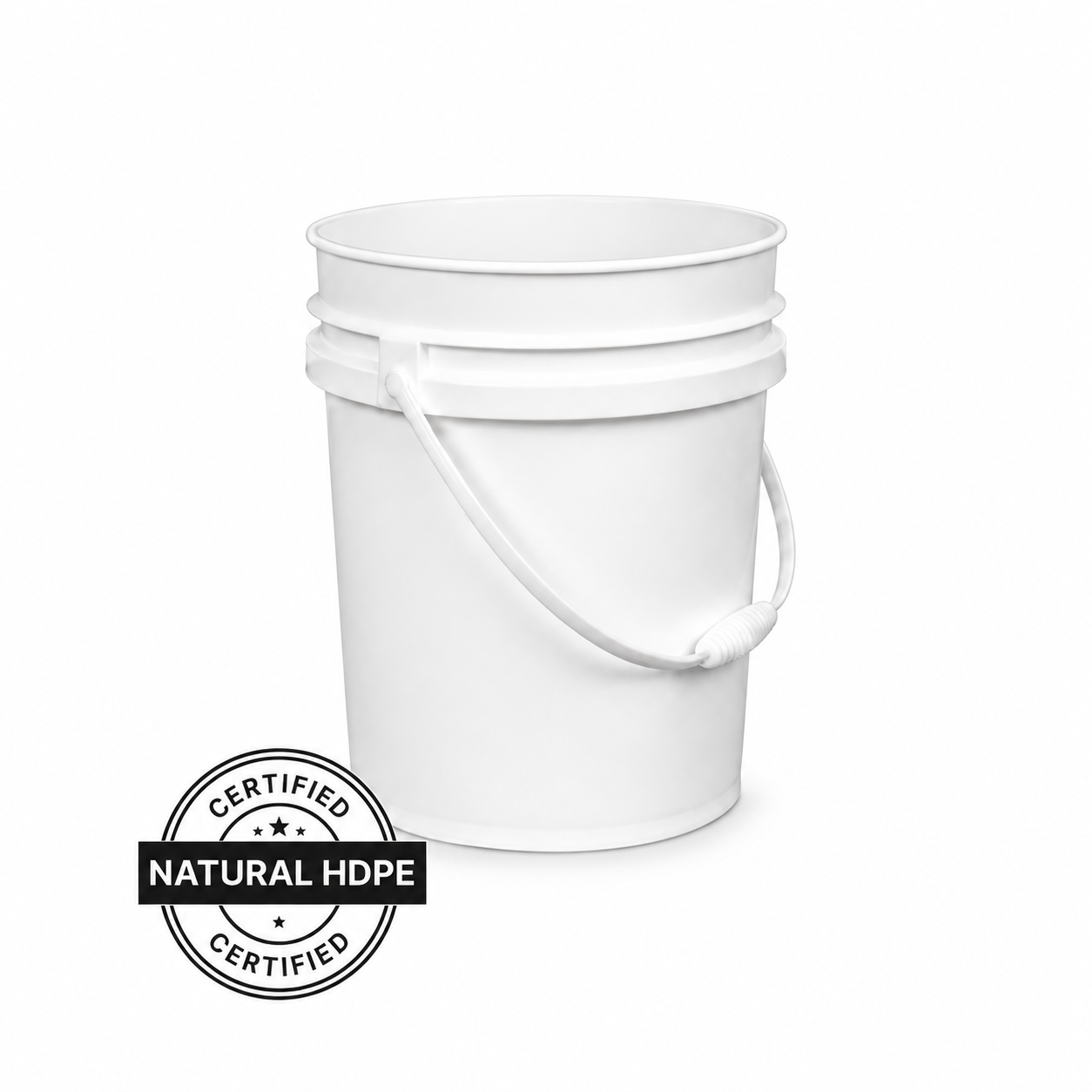
Natural HDPE Pails
Applications where fill visibility is useful
Translucent color option
Color alone does not establish food-contact compliance
Black HDPE Pails
Applications preferring an opaque container
Opaque color option
Require evidence for any UV or outdoor-exposure claim
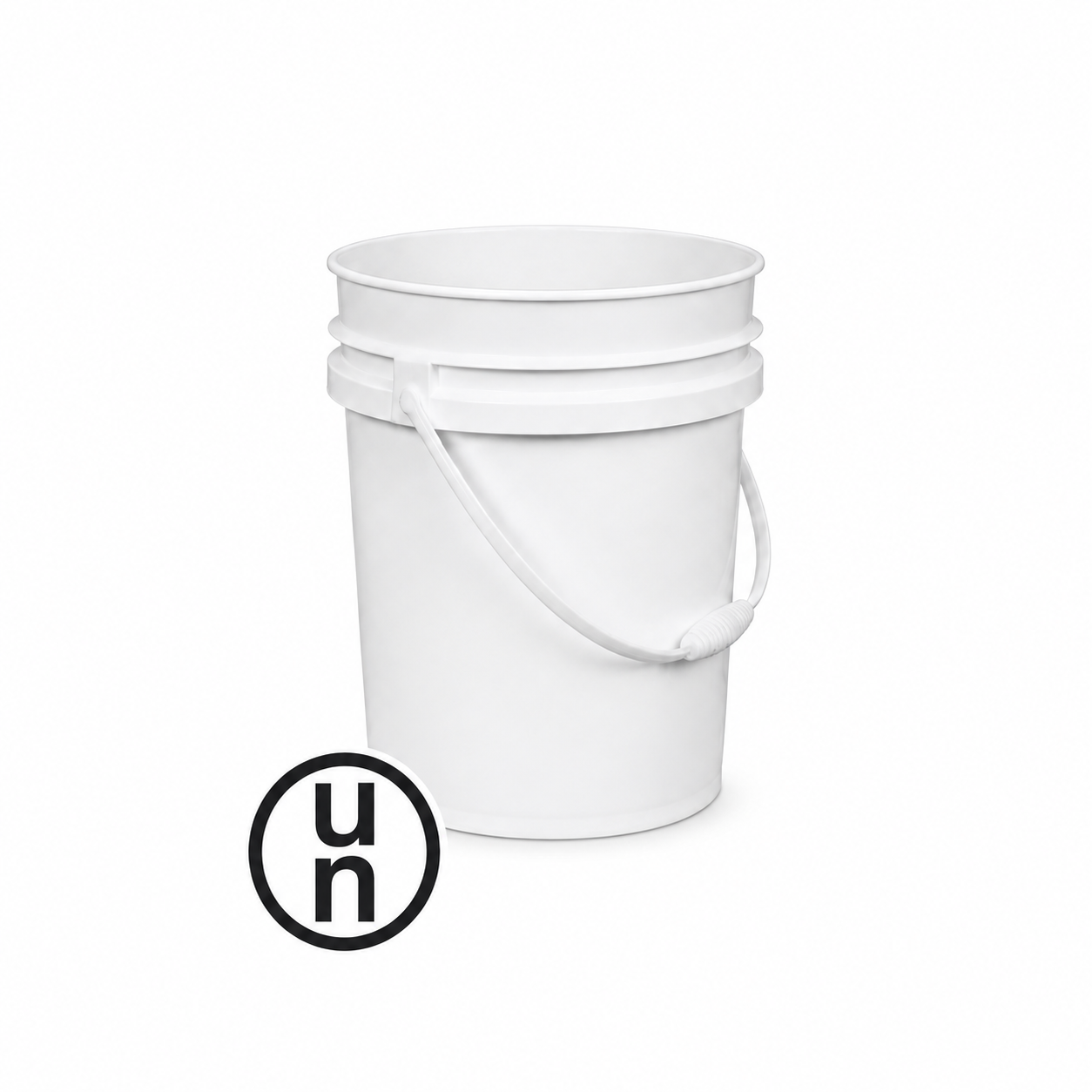
UN-Rated Pails
Shipments needing documented UN performance-tested packaging
Rated pail and closure configurations
Match the complete marking and closure instructions to the shipment
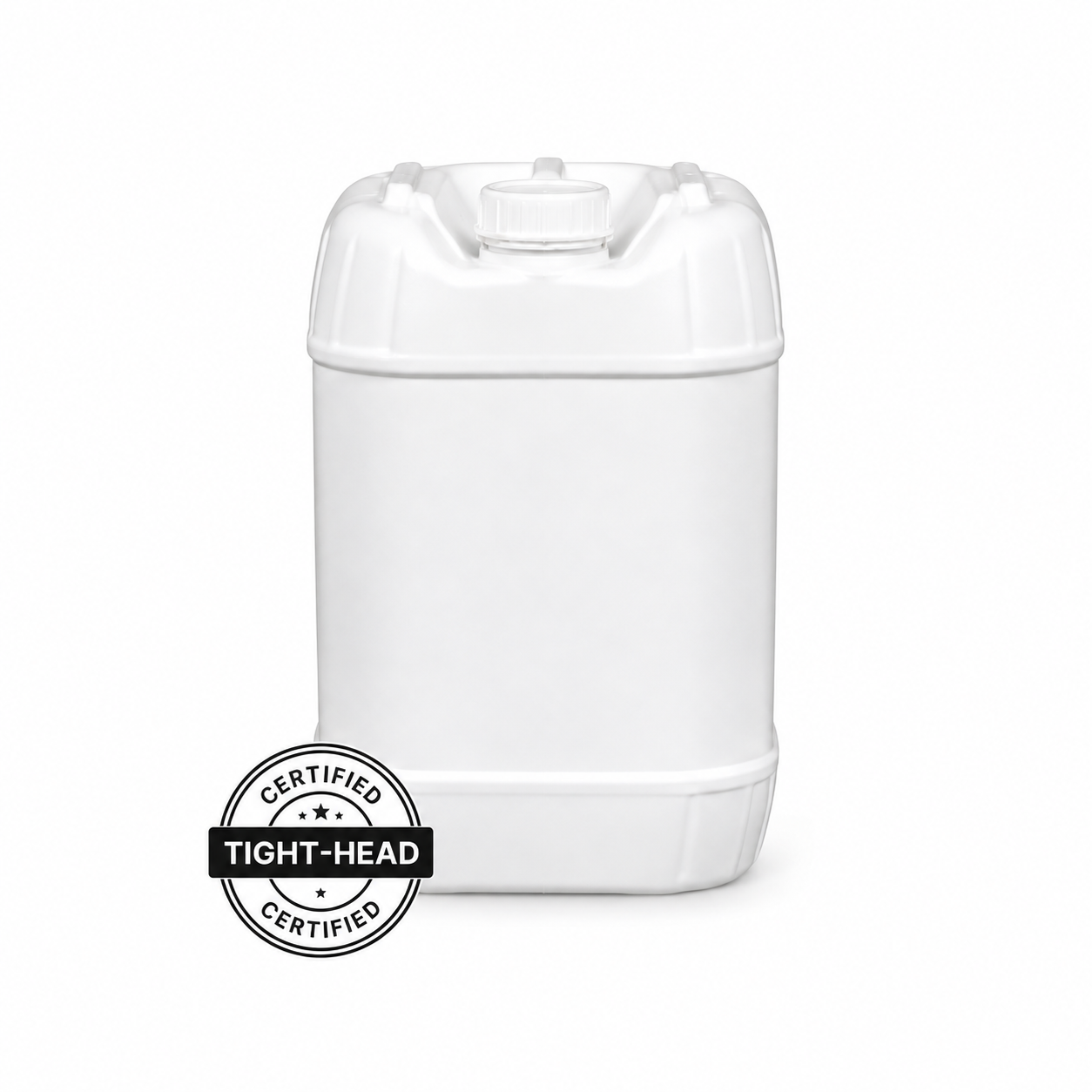
Tight-Head Plastic Pails
Liquids needing controlled filling or dispensing
Closed top with specified openings
Restricted access for cleaning and viscous contents
Related Products
Which details define this pail configuration?
+
Confirm corrosion resistance and lining compatibility with the actual formulation. A steel body alone does not establish a hazardous-goods rating or a safe transfer procedure.
Are the dimensions and weight fixed for this range?
+
No. This is a configurable range page. Request the current supplier drawing for the selected reference; confirm dimensions, empty weight, rated loading and fittings before ordering.
Is food-contact or UN documentation included for every option?
+
Requirements depend on the application and the selected components. Specify the required documentation with the inquiry and confirm the complete assembly before purchase.
What is the minimum order and lead time?
+
Quantity, manufacturing options, container condition and delivery location affect the quotation. Confirm current minimum order and lead time for the chosen configuration with Novvia.
Our packaging specialists will help you match the ideal container to your product, storage, and compliance needs. We stock and ship nationwide.