
The Best Packaging Options for Ready-to-Drink Cocktails: How to Choose the Right Format

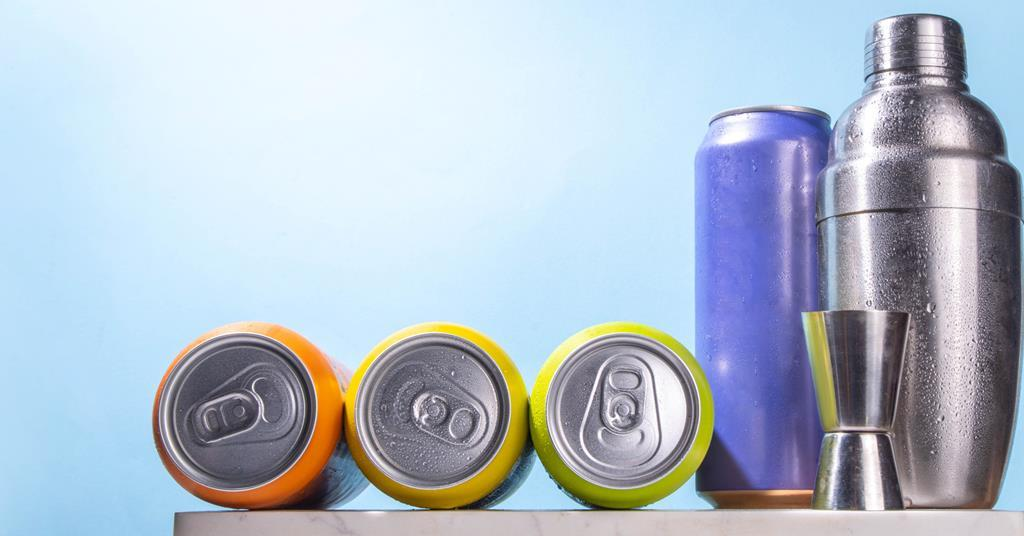
Ready-to-drink cocktails have evolved from a convenience-driven niche into one of the most dynamic parts of the beverage alcohol market. According to IWSR, spirits-based RTDs grew 14% in U.S. volume in 2025. That growth came even as total U.S. beverage alcohol volume declined 5% and malt-based RTDs declined 5%, making spirits-based RTDs a notable bright spot within the broader category.
For beverage brands entering or expanding within the RTD market, however, developing the cocktail is only part of the decision. The package matters too.
A single-serve canned Margarita designed for a concert has very different packaging needs than a premium bottled Old Fashioned intended to be poured over ice at home. Material, size, serving occasion, carbonation, brand positioning and production requirements can all influence the right format.
So, what are the best packaging options for ready-to-drink cocktails?
Aluminum Cans: The Leading Choice for Single-Serve RTDs
For many RTD brands, the aluminum can has become the natural starting point. IWSR reports that the share held by 355 mL packs within U.S. spirits-based RTDs increased from 7% to 69% in just five years, largely driven by demand for convenient single-serve formats.
That growth makes sense when considering how consumers use RTDs. Cans are portable, lightweight and easy to take into environments where glass may not be allowed. IWSR specifically points to sports venues, concerts and beaches as occasions where the rise of single-serve canned cocktails has helped RTD brands gain ground.
For brands, cans also provide substantial flexibility in package size and appearance. Saxco currently supplies beverage cans in formats including 8 oz sleek, 250 mL, 12 oz standard, 12 oz sleek, 16 oz standard and 19.2 oz, and offers digital printing, shrink sleeving and other decoration options. Its 250 mL can, for example, is specifically marketed for RTDs and other beverage applications.
A can may be particularly well suited for:
- Single-serve cocktails
- Carbonated RTDs and spirit sodas
- Outdoor and event consumption
- Multipacks and variety packs
- Brands prioritizing portability
- Products designed for direct-from-package consumption
But popularity alone does not make cans the right answer for every cocktail.
Glass Bottles: A Strong Option for Premium and Ready-to-Pour Cocktails
Glass serves a different role in the RTD market. While cans have become highly prevalent, consumer research suggests that glass still has significant appeal. IWSR has reported that 47% of RTD consumers surveyed preferred glass packaging, compared with 36% who preferred cans.
Importantly, that is a consumer-preference statistic, not a measure of packaging market share. It tells us that even as canned RTDs have expanded rapidly, consumers can still associate glass with a desirable drinking experience.
That becomes especially relevant for premium and multi-serve cocktails. A 750 mL bottle of a premixed Old Fashioned, Manhattan or Negroni is serving a very different occasion than a 12 oz canned cocktail. Instead of portability, the package may need to communicate quality, look appropriate on a home bar and support a ritual of opening, pouring and serving.
Glass bottles can make sense for:
- Premium RTD cocktails
- Ready-to-pour rather than direct-drink products
- Multi-serve formats
- At-home entertaining
- Spirit-forward cocktails
- Products where bottle shape and weight contribute heavily to brand positioning
Within Novvia Group, both Saxco and Liquid Bottles offer glass packaging applicable to beverage and spirits markets. Saxco supplies stock and custom glass for spirits and other beverages, while Liquid Bottles carries food-and-beverage packaging as well as glass spirit and liquor bottles in formats including 750 mL and 1 L.
Aluminum Bottles: Another Format Worth Considering
RTD packaging is not limited to the familiar choice between a can and a glass bottle. Saxco also offers aluminum bottles for spirits and other beverage applications, giving brands another format to consider when they want some of the functional characteristics associated with aluminum but a more bottle-like silhouette.
For the right brand, an aluminum bottle can offer a visually distinctive alternative to a traditional can while still supporting beverage applications where portability and durability matter.
This will not be the right solution for every RTD, but it reinforces an important point: brands have more packaging options than simply choosing between a standard 12 oz can and a traditional glass spirits bottle.
What Cocktails Are Consumers Drinking?
Packaging decisions should also reflect the type of cocktail being sold.
The Margarita remains one of the clearest examples of a cocktail with broad consumer familiarity. According to NIQ, 54% of U.S. cocktail drinkers order Margaritas, making it the most popular cocktail in its recent On-Premise research. Mimosas followed at 30%, with Piña Coladas at 29%.
Within spirits-based RTDs specifically, IWSR says vodka and tequila bases continue to dominate, with vodka currently the leading spirit base across demographic groups.
That creates opportunities across a wide range of recognizable drink styles:
- Margaritas and tequila-based cocktails can work in highly portable single-serve formats while benefiting from strong existing consumer recognition.
- Vodka sodas and other longer, lighter serves align naturally with cans and other single-serve packages.
- Old Fashioneds, Manhattans and Negronis may lend themselves particularly well to premium bottled presentations and ready-to-pour formats.
- Spritzes and other carbonated cocktails can create yet another set of package and pressure requirements.
The right format should therefore start with the drink itself rather than with the assumption that all RTDs should look alike.
Single-Serve or Multi-Serve?
Size can be just as important as material. A smaller package communicates a different drinking occasion than a traditional spirits-size bottle.
A 250 mL or 355 mL can, for example, may be designed around an individual serving and immediate consumption. A 750 mL bottle can instead position the cocktail as something to pour, share or serve over multiple occasions.
Neither model is inherently better. The question is what the consumer is expected to do once they purchase the product.
For beverage brands, that means considering:
- Where will it be consumed? At home, outdoors, at events, at restaurants or somewhere else?
- How will it be served? Directly from the package, poured over ice or mixed with another ingredient?
- Is it one serving or several?
- What does the package need to communicate? Portability, fun, premium quality, tradition or something else?
Those answers can help narrow the packaging format before other technical considerations even begin.
Packaging Has to Work Beyond the Shelf
Consumer appeal is only one part of RTD packaging selection. The container also has to work with the beverage and the production process.
Depending on the product, brands may need to evaluate:
- Carbonation and internal pressure
- Product-to-package compatibility
- Can lining or glass requirements
- Closure or seam specifications
- Fill-line and capping/seaming compatibility
- Labeling or decoration
- Case packing and multipack requirements
- Shipping weight and breakage
- Minimum order quantities
- Warehousing and inventory needs
Saxco's capabilities extend beyond supplying containers to services such as printed and sleeved cans, artwork management, pack-outs, inventory planning, warehousing and logistics.
That matters because the “best” RTD package is not simply the container consumers like most. It needs to work as part of the entire production and distribution system.
So, What Is the Best RTD Packaging?
There is no single winner.
The growth of 355 mL spirit-based RTD formats shows how strongly the market has embraced portable, single-serve packaging. But glass continues to play an important role, particularly when brands want a premium, ready-to-pour or multi-serve experience.
The better question is: What package best fits the cocktail, the consumer and the occasion?
A canned Margarita headed to the beach may need portability and convenience. A bottled Old Fashioned designed for a home bar may need weight, shape and premium presentation. An emerging beverage brand may prioritize flexible order quantities and decoration options, while a larger producer may be focused on high-volume production, inventory planning and supply reliability.
Across Novvia Group, Saxco and Liquid Bottles give beverage brands access to complementary packaging capabilities. Saxco offers glass, aluminum and plastic containers along with aluminum cans and beverage-specific services, while Liquid Bottles offers glass and plastic packaging, closures and a dedicated food-and-beverage category.
As spirits-based RTDs continue to grow, choosing the right package starts with understanding exactly what the product needs to do — from the filling line to the moment the consumer takes the first sip.
Ready to match your cocktail to the right format? Talk to a Novvia Group packaging expert to explore can, glass and aluminum bottle options across Saxco and Liquid Bottles.