Pet Supplement Packaging: What Brands Need to Consider as the Market Grows


Pet supplements are becoming a much bigger part of the way consumers care for their animals. The U.S. pet supplement market reached approximately $2.9 billion in 2025, according to Packaged Facts. While growth has moderated from the rapid gains of earlier years, the research firm expects the market to continue expanding as consumers remain focused on preventive health, condition-specific products, life-stage formulations, and other approaches to pet wellness.
The change is visible in pet-owner behavior, too. According to the American Pet Products Association (APPA), 53% of dog owners give their dogs vitamins or supplements, while 34% of cat owners do the same. Compared with 2018, vitamin and supplement purchasing has increased 56% among dog owners and 70% among cat owners.
For pet supplement brands and manufacturers, that growth creates opportunity. But it also makes packaging decisions more important.
Pet supplements can come in chews, powders, tablets, capsules, liquids, oils, and other formulations. The package protecting those products has to work with the formulation, support how the product is used, withstand its distribution environment, and provide the experience consumers expect each time they reach for it.
There is no single package that works for every pet supplement.
Pet Wellness Is Becoming More Sophisticated
The pet supplement category increasingly resembles the broader human wellness market. APPA describes a shift toward more proactive pet wellness, with owners paying greater attention to preventive care and long-term health.
Among dog owners, joint health and mobility, multivitamins, and skin, coat, and nail supplements are among the most popular types. For cats, multivitamins, pre- and probiotics, and digestive supplements rank highly.
That diversity matters for packaging because two products sitting next to each other in the pet wellness category may have completely different physical and functional requirements. A soft chew designed for daily joint support behaves differently inside its package than a powdered probiotic. A bottle of omega oil presents different dispensing and leakage considerations than a container of tablets.
Before deciding what the package should look like, brands first need to understand what the product inside requires.
The Formulation Should Help Determine the Package
One of the most important pet supplement packaging decisions is matching the container and closure to the formulation.
Chews and Soft Supplements
Wide-mouth containers provide convenient daily access for consumers over weeks or months. Durable reclosure mechanisms are essential to preserve freshness and ensure continuous product protection throughout the package's lifecycle.
Powders
A broad opening facilitates effortless scooping and precise dosing. The packaging system must incorporate robust moisture barriers and contamination protection to safeguard product integrity through repeated openings.
Tablets and Capsules
Standard bottles and wide-mouth packer formats deliver easy dispensing and secure sealing. These formats also offer ample surface area for mandatory regulatory labeling, dosage instructions, and brand information.
Liquids and Oils
Packaging must align with the intended dispensing method—whether pouring, pumping, or precise dropper dosing. Secure closure engineering is critical to prevent leaks during transit, handling, and daily consumer use.
Novvia Group's broader health and wellness packaging portfolio reflects this range of needs, with formats for tablets, capsules, liquids, powders, gummies, and other nutritional products, including plastic and glass bottles, wide-mouth packers, jars, and a variety of closures and dispensing components.
The lesson for pet supplement brands is straightforward: the package should be selected around how the product needs to perform, not simply how the container looks on the shelf.
Closures Can Shape the Entire User Experience
The container is only one half of the packaging system. The closure influences how well the package seals, how easily the consumer accesses the product, and, for certain formats, how accurately the product can be dispensed.
A standard screw cap may be appropriate for one supplement. Another might benefit from a dispensing closure, dropper, pump, or another controlled-dose format. Depending on the product and applicable requirements, tamper-evident or child-resistant features may also need to be evaluated.
Novvia's nutraceutical offering includes standard, tamper-evident, child-resistant, dropper, and dispensing closure options intended to help maintain product integrity and support accurate product use.
This is especially important for products used every day. A package that is frustrating to open, difficult to dose, prone to leaking, or difficult to reseal can create a poor experience even when the supplement itself performs exactly as expected.
For brands, the packaging decision therefore extends beyond containment. It can influence convenience, perceived quality, and whether the product fits naturally into the pet owner's routine.
Packaging Has to Protect the Product Between Uses
Unlike a single-use package, many pet supplements may be opened and closed dozens of times. That means brands should think beyond the condition of the product when the package leaves the filling line.
How will it perform after a week in a consumer's kitchen cabinet? What about after a month? Will repeated opening expose a sensitive formulation to humidity? Can the closure maintain an appropriate seal? Is the container easy to handle without compromising product protection?
Those questions become particularly relevant as manufacturers develop more specialized formulations. Packaged Facts points to condition-specific, life-stage, feline, and veterinarian-developed products among the trends shaping the pet supplement market.
As products become more specialized, packaging selection may need to become more deliberate as well. Material compatibility, barrier requirements, closure performance, filling conditions, and expected shelf life should all be evaluated as part of the complete packaging system.
E-Commerce Adds Another Packaging Environment
Pet supplement packaging increasingly has to perform somewhere else, too: the parcel delivery network.
At the 2025 National Animal Supplement Council conference, research presented by Marketplace indicated that 90% of dog parents who purchase supplements buy them online.
That has implications for package design. A bottle or jar purchased from a store is typically handled within cases, pallets, and a retail distribution system before the consumer takes it home. An e-commerce order can face a different journey, including individual parcel handling, vibration, drops, and movement alongside other products.
For liquids in particular, closure security and leak resistance can become especially important. Glass may introduce additional breakage considerations. Secondary packaging may be required to help protect the primary container during shipment.
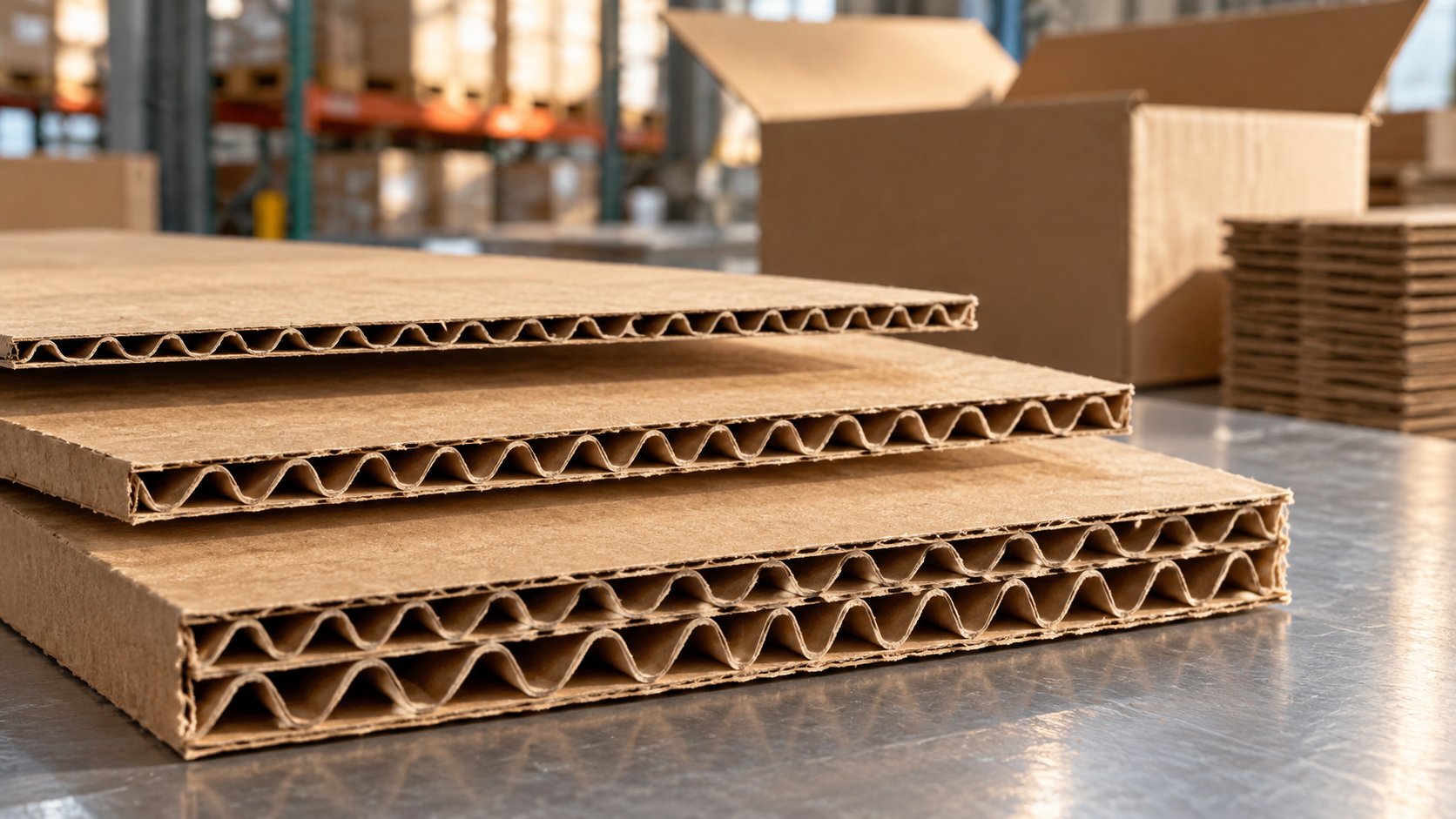
Novvia's nutraceutical offering includes corrugated and secondary packaging designed to support retail and e-commerce distribution in addition to primary bottles, jars, and closures.
For brands selling through multiple channels, the packaging decision should account for all of them.
Packaging Still Has to Work for the Consumer and the Brand
Performance is essential, but pet supplement packaging is also a consumer-facing part of the brand. As more products enter the category, packaging has to communicate what the supplement is, how it is used, and why it belongs in a pet owner's routine.
That may mean providing sufficient label area for dosage instructions and product information. It may mean choosing a container size that communicates the appropriate quantity or value. It can also mean balancing visual differentiation with the practical requirements of filling, storage, shipping, and everyday use.
The goal should not be to choose between function and presentation. The better question is how to create a packaging system in which the two work together.
There Is No Single “Best” Package for Pet Supplements
The U.S. pet supplement market's growth to $2.9 billion tells an important story, but the category's increasing diversity may be even more important for manufacturers.
More consumers are incorporating supplements into their pets' routines. More formulations are addressing different health and wellness needs. And more of those products are reaching consumers through channels such as e-commerce.
That makes packaging a more complex decision. Brands should consider the formulation, product protection requirements, dispensing method, closure, repeated consumer use, transportation environment, filling operation, and brand experience together rather than treating each element separately.
Novvia Group works with manufacturers like C.L. Smith across pet care, animal health packaging, to help match formats to the needs of the product and the operation. Its portfolio includes bottles, jars, packers, closures, dispensing components, and secondary packaging for a wide range of health and wellness formulations.
As the pet supplement market continues to evolve, the right packaging starts with understanding exactly what the product needs to do—from filling line to final dose.
Ready to match your formulation to the right container and closure? Contact the Novvia Group team to explore bottles, jars, packers, closures and secondary packaging for pet supplements.