Glass Jars Wholesale: What to Check Before Ordering in Bulk

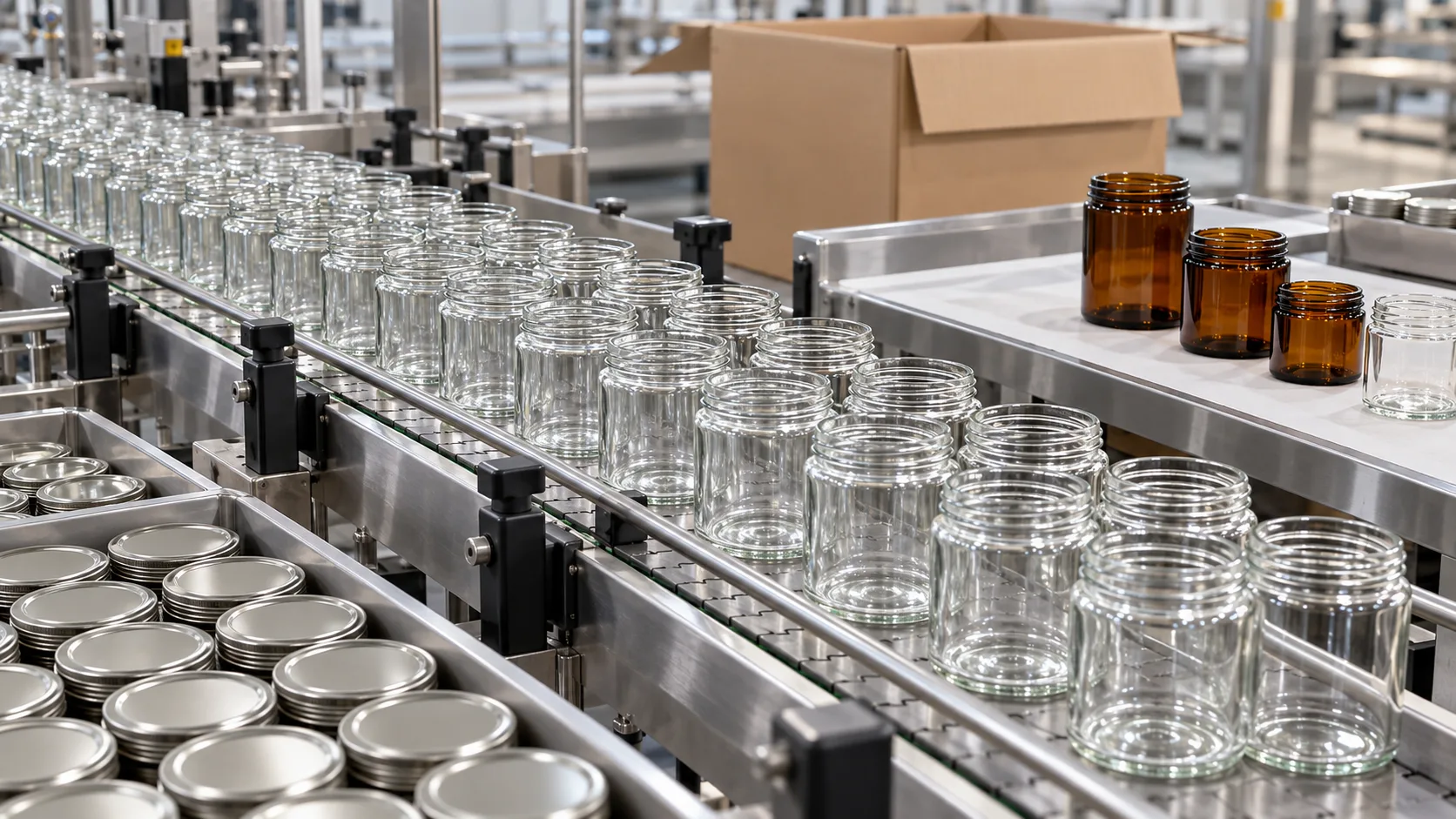
The jars arrive on time. The filling line is ready. Then your team discovers the lids do not fit.
A packaging mismatch can turn a routine production run into a scramble for replacement components, revised schedules, and customer updates. When buying glass jars wholesale, the lowest unit price is only part of the decision. The jar also needs to work with your product, closure, filling equipment, and distribution process.
Before placing a bulk order, review the complete package, from the jar and lid to the shipping case. These seven checks can help your team identify problems before they reach the production line.
What to Check Before Ordering Glass Jars Wholesale
1. Define your product requirements
Start with what you are packaging, not just the jar's appearance or capacity. A sauce, a dry spice, and a face cream may call for different openings, closures, and filling conditions.
Create a packaging brief for each product that covers:
- Target fill quantity and jar capacity
- Product characteristics and filling conditions
- Opening size and how customers will access the contents
- Closure and sealing requirements
- Labeling, decoration, and shelf presentation
Then look for opportunities to use shared packaging across products. Could several SKUs use the same jar, or the same shape in different sizes?
Standardization may simplify purchasing and inventory, but it should follow product and equipment requirements, not override them.
2. Approve the jar and lid together
A lid that looks right is not enough. Confirm the exact jar-and-closure combination before approving either component.
Request the jar's neck-finish specification, which identifies the opening and closure interface, along with the matching closure specification and liner details. Novvia's personal care guidance recommends using the exact supplier reference and neck finish, confirming the full assembly, and testing filled samples before committing to production.
Use samples of the components you intend to order to check:
- Closure application on your equipment
- Seal performance with your product
- Opening and reclosing, where applicable
- Performance after expected handling and storage
Record the approved jar, closure, and liner references in your purchasing specification. A description such as "glass jar with lid" leaves too much room for interpretation on a repeat order.
3. Confirm product-contact and processing suitability
Give your supplier a clear picture of the filling process. Include whether you fill hot or cold, how the filled jars are cooled, and whether the package undergoes additional processing.
Ask for documentation supporting the proposed jar, closure, and liner under those conditions. Do not treat the material name alone as confirmation that the complete package is suitable.
For food applications, review the materials that contact the contents, including closure liners and coatings. The FDA explains that a food-contact material's regulatory status depends on its individual components and the applicable authorizations, specifications, and conditions of use. It also notes that buyers may request a manufacturer's letter of guaranty for the intended food-contact use.
Have the team responsible for product quality, food safety, or regulatory compliance review the documentation against your actual product and process.
4. Test the package on your production line
Sample approval should go beyond a visual inspection. Run the proposed jar and closure through the equipment that will handle them, including the filler, capper, labeler, and case-packing equipment, as applicable.
During a representative trial, record:
- Jams, tipping, or inconsistent handling
- Filling issues
- Closure application problems and rejects
- Label placement and adhesion issues
- Breakage and overall reject rates
Set acceptance criteria before the trial so your team can make a clear approval decision.
If multiple facilities will use the jar, assess each relevant line rather than assuming one successful trial applies everywhere. Keep the results with the approved component specifications for future reference.
5. Align order quantities, lead times, and replenishment
Confirm how each component is sold: by pack, case, pallet, or another quantity. Then check that the jar and closure quantities support the same production plan.
Before placing the order, ask:
- What are the minimum order quantities for jars and closures?
- Are both components available for the required delivery date?
- What are the current lead times and reorder requirements?
- How will deliveries be coordinated across locations?
- How will specification changes or proposed substitutions be communicated?
Get the agreed quantities, delivery timing, and component references in writing. For seasonal demand, share your forecast early and discuss how replenishment will be handled.
6. Review protection for inbound and outbound shipping
Review two separate shipping needs: how empty jars will reach your facility and how filled jars will reach your customers.
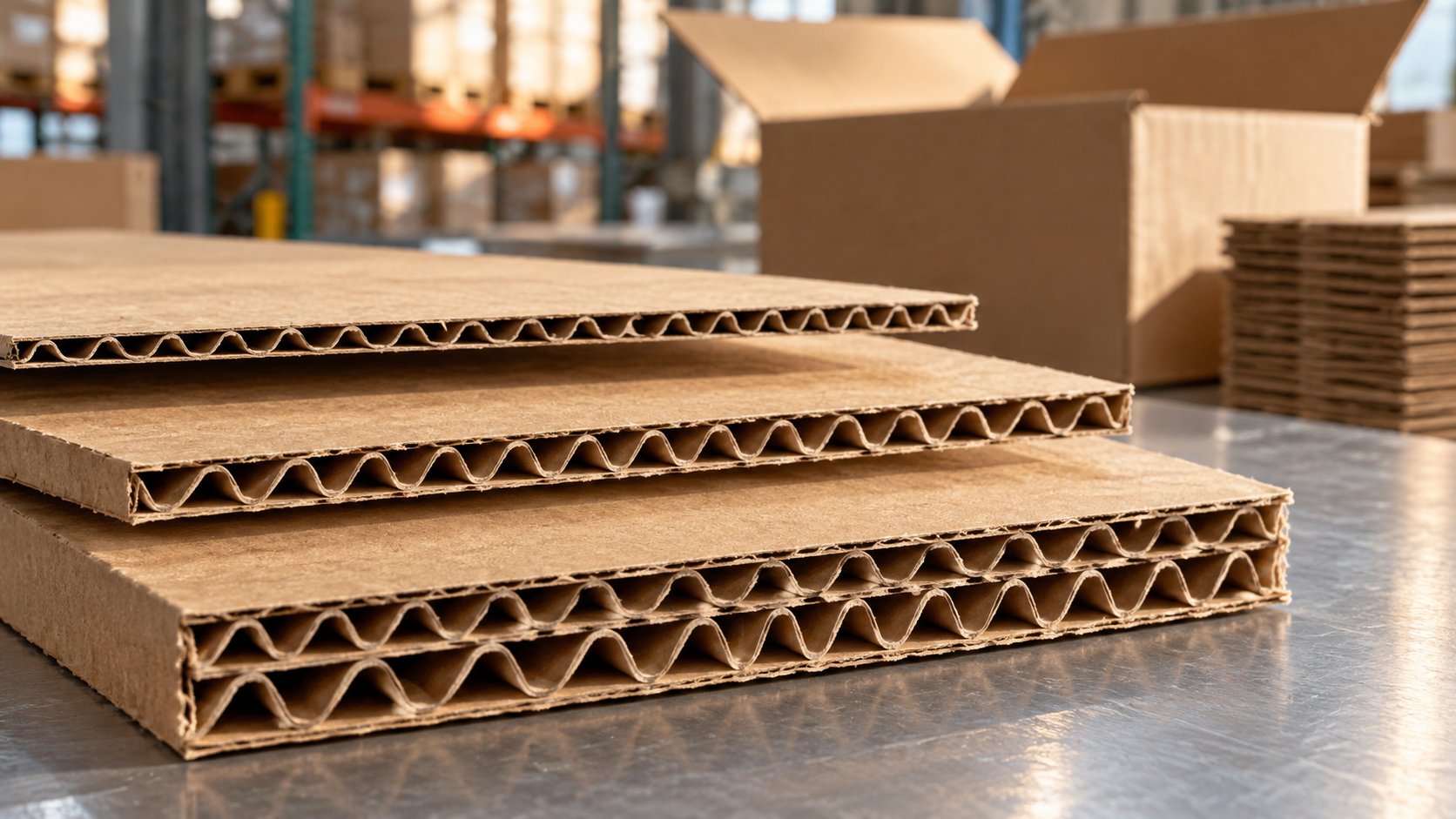
For the inbound shipment, confirm the case quantity, protective packing, pallet configuration, and receiving requirements. For outbound distribution, evaluate the filled jar, closure, and shipping pack together.
The shipping route matters. An intact pallet delivered to one facility faces different handling than individual cases or parcels moving through several distribution points. ISTA's guidance emphasizes understanding how packages are shipped, handled, and stored when selecting a test procedure.
Where testing is needed, use representative products and packaging, and define acceptable damage limits before the test. ISTA identifies both as important parts of evaluating package performance.
7. Compare total cost, not just jar price
Ask for a quote that makes the full packaging cost visible. Use the same quantities, delivery destinations, and component requirements when comparing suppliers.
Compare options on cost per acceptable filled unit, using trial results where available. That gives your team a more useful decision measure than the price of an empty jar alone.
How Novvia Helps Businesses Source Glass Jars Wholesale
Novvia's food and beverage packaging offering includes glass jars, caps and closures, and corrugated packaging. Its approach considers filling equipment, product protection, and distribution requirements, helping buyers evaluate more than the container itself.
For beauty and personal care packaging, Novvia offers glass skincare jar formats and support for comparing complete assemblies, reviewing product-contact materials, and preparing sample or quote requests.
Within the group, Silver Spur's food and beverage range includes glass jars in multiple shapes and capacities, with options for products such as jams, sauces, and spices. Buyers can request a quote or sample to begin evaluating a format.
To make the sourcing discussion more productive, bring:
- Your product list and target fill quantities
- Initial order quantities and projected annual volumes
- Filling and processing conditions
- Closure, labeling, and decoration requirements
- Delivery locations and required dates
- Any issues with your current packaging
Use that brief to discuss available formats, request specifications and samples, and identify the testing your team needs before approval.
Before You Place the Bulk Order
A bulk order should follow approval of the complete package, not just selection of a jar.
Confirm the jar and closure references, product and process suitability, line-trial results, order quantities, delivery plan, and shipping configuration. Then compare the total cost of the options that meet your requirements.
Ready to review glass jar options? Bring your product brief to Novvia to start a discussion about formats, samples, and a project-specific quote. Novvia's buying support invites customers to share formulation, quantities, timing, and delivery details to move the comparison toward a useful packaging quote.
Frequently Asked Questions
Should you order glass jars and lids together?
Plan and approve them together, even if they are quoted or shipped separately. Specify the exact jar, closure, and liner combination, then confirm that quantities and delivery dates support the same production schedule.
Can one glass jar work across several product lines?
Potentially, but assess each product and filling process before standardizing. A shared jar still needs an appropriate closure and successful testing for each intended application.
What should you test before ordering glass jars in bulk?
Test the proposed jar and closure with your actual product and intended equipment. Review filling, closure application, seal performance, labeling, and handling. Where distribution testing is needed, select it around the actual shipping environment and use representative filled packages.
Are lids included in wholesale glass jar pricing?
Confirm this in the quote rather than assuming they are included. Ask the supplier to identify the jar, closure, and liner separately and state the order quantity and price for each component.
Does a lower jar price mean a lower packaging cost?
Not necessarily. Include closures, freight, production costs, breakage, rejects, and inventory in the comparison. Evaluate the cost per acceptable filled unit rather than the empty jar price alone.