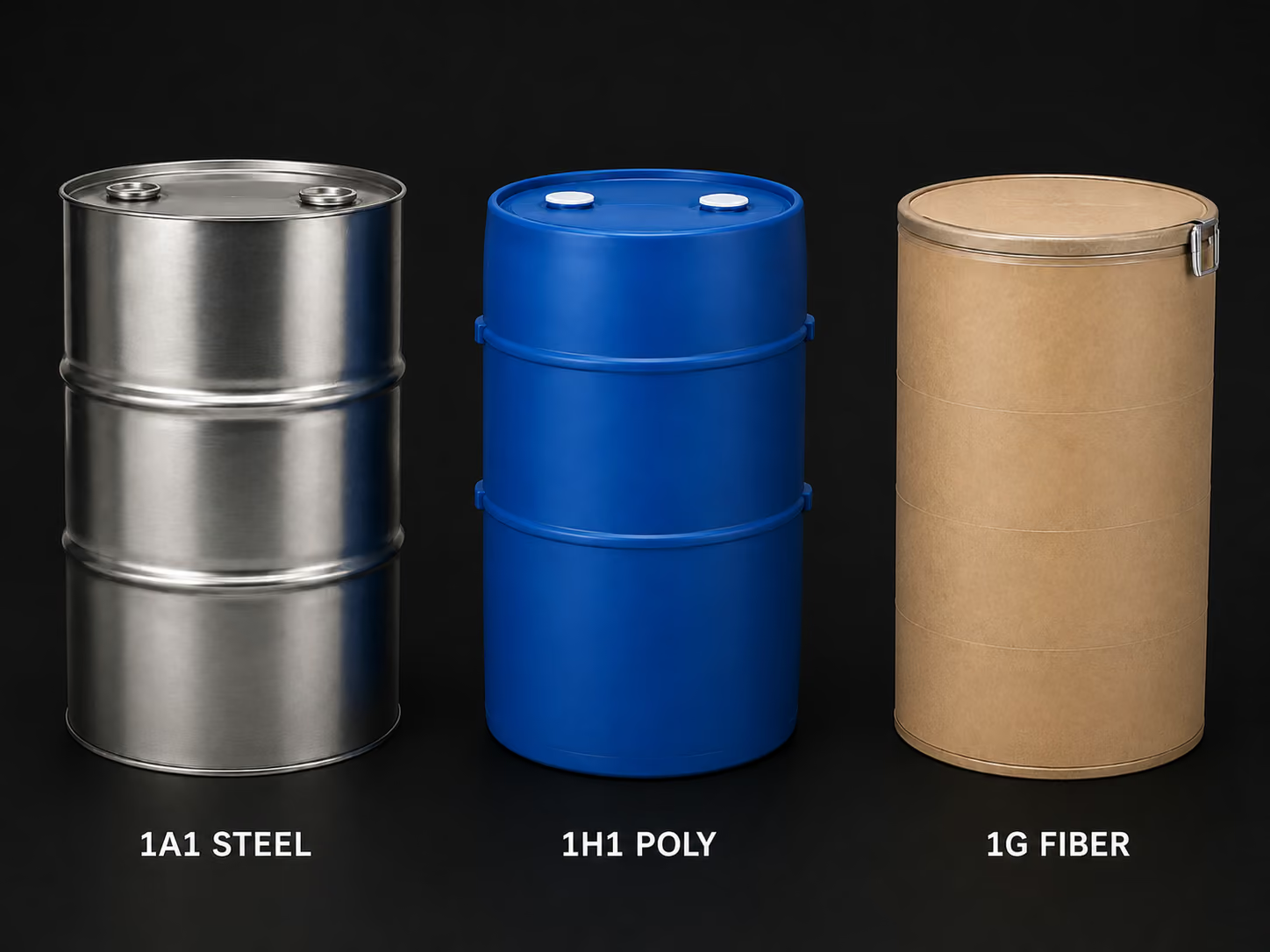
We stock steel, plastic, and fiber drums — new and reconditioned — plus the liners, closures, and accessories to go with them. Send us your spec sheet or SDS and we'll match you to the right container the first time.
UPDATED JUL 2026
8 MIN READ

Danielle Thomas
The single biggest factor in drum selection isn't price — it's what's going inside. Liquids, especially chemicals or hazardous materials, point you to steel or plastic in a tight head configuration. Dry goods open up all three options, and fiber often wins on cost and weight. Food-grade and pharmaceutical products usually land on FDA-compliant HDPE or lined fiber. And flammable or combustible liquids point to steel, almost without exception.
If you already know your contents, half your decision is made. The rest comes down to compatibility, compliance, and total cost. Here's each material in detail.
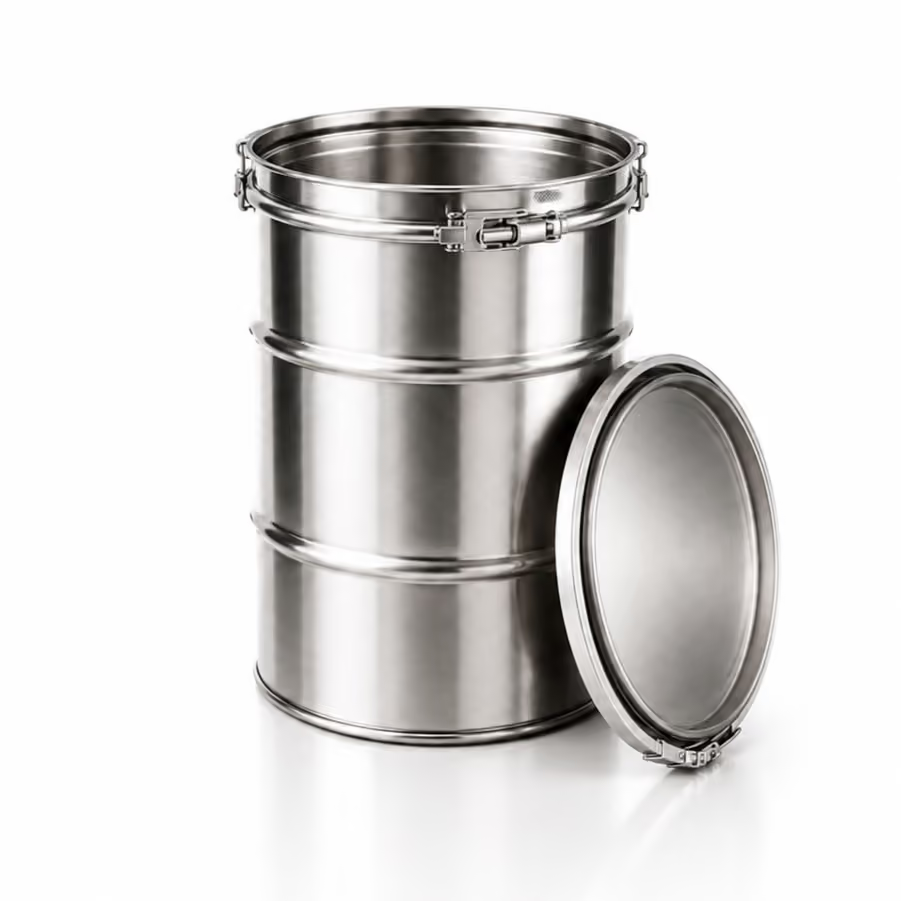
Carbon steel drums are the traditional standard — the drum most people picture. They come in tight head (1A1, welded top with bung openings, for liquids) and open head (1A2, removable lid, for viscous products and solids) configurations.
Choose steel when:
Watch out for
Corrosion — acids, salts, and water-based products attack bare steel; spec an interior lining to your product. Weight — roughly two to three times its plastic equivalent, which adds freight cost. Dents — steel dents rather than flexes; rarely a performance issue, but it matters for customer-facing shipments.
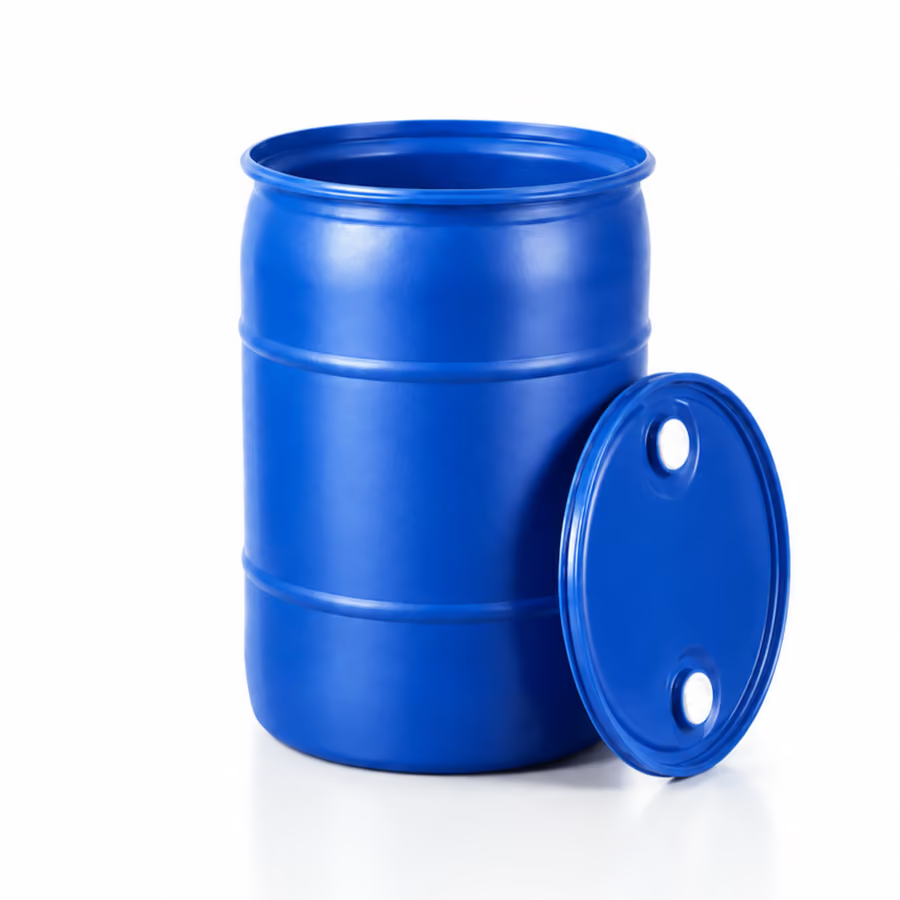
Poly drums — high-density polyethylene (HDPE) — have become the default for a huge range of liquid products. Like steel, they come in tight head (1H1) and open head (1H2) versions.
Choose plastic when:
Watch out for
Flammables — standard poly drums aren't appropriate for low-flashpoint liquids. Permeation and UV — some solvents migrate through HDPE walls and sunlight degrades the resin over time. Temperature limits — HDPE softens hot and gets brittle in extreme cold, so hot-fill products need spec review. Loaded poly drums stacked high in a hot warehouse can slowly deform; racking solves this.
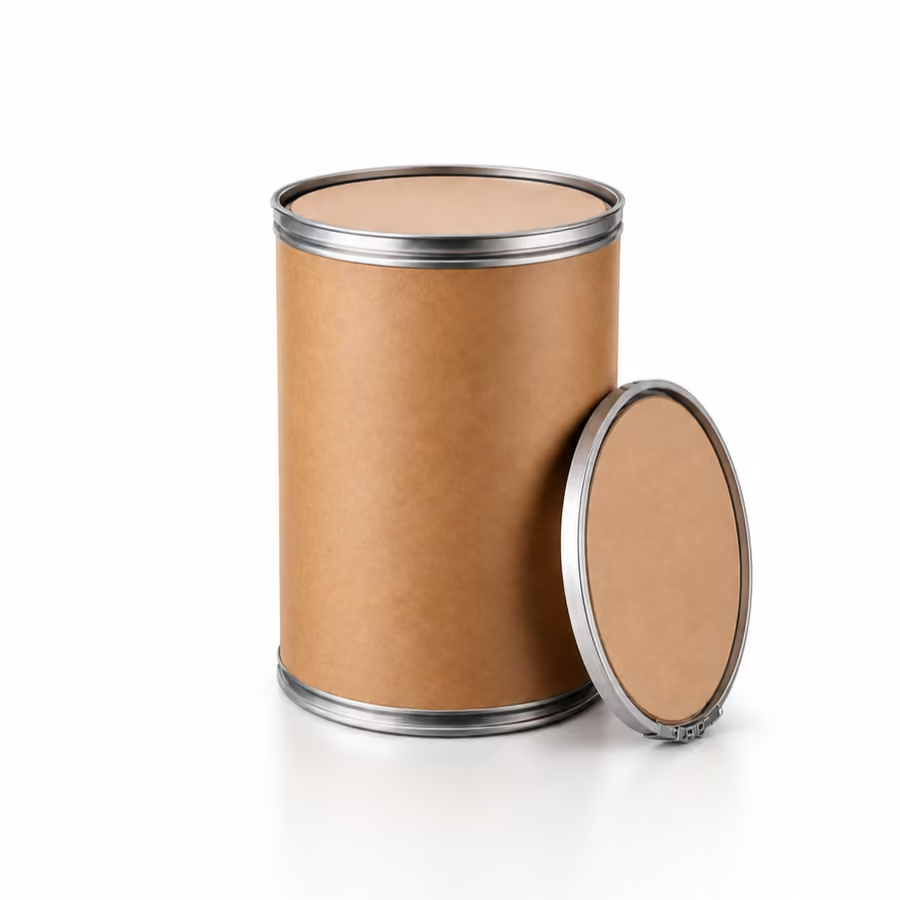
Fiber drums (1G) are made of convolutely wound kraft paperboard with steel, plastic, or fiber lids. They're the unsung hero for dry products.
Choose fiber when:
Watch out for
Moisture — fiber and water don't mix; liners and coated variants extend the range, but this is fundamentally a dry-goods container. Reuse — designed for single-trip or limited reuse, not a recon cycle. Hazmat liquids — with liners, fiber carries certain UN-rated solids, but it's not a liquids solution.
If your product is a regulated hazardous material, drum choice isn't just preference — it's law. Every UN-rated drum carries an embossed or printed code (like UN 1A1/Y1.4/150) that tells you the material, head type, packing group, and pressure rating it's certified for.
Two quick rules of thumb: match packing group to rating — Packing Group I requires X-rated packaging, PG II requires X or Y, PG III accepts X, Y, or Z. If your SDS says PG II, a Z-rated drum is a violation waiting for a DOT audit. And closed head for liquids, open head for solids is the general hazmat pattern — the UN code confirms which one you're holding.
When in doubt, this is exactly the conversation to have with your packaging supplier before you order — not after a shipment gets rejected.
Steel and plastic drums both have healthy reconditioning markets. For non-food, non-pharma applications, a reconditioned drum can cut packaging cost significantly while performing to the same UN certification. Fiber, by contrast, is a buy-it-once proposition. If you ship high volumes, lifecycle cost — not sticker price — is the number to compare.
We stock steel, plastic, and fiber drums — new and reconditioned — plus the liners, closures, and accessories to go with them. Send us your spec sheet or SDS and we'll match you to the right container the first time.