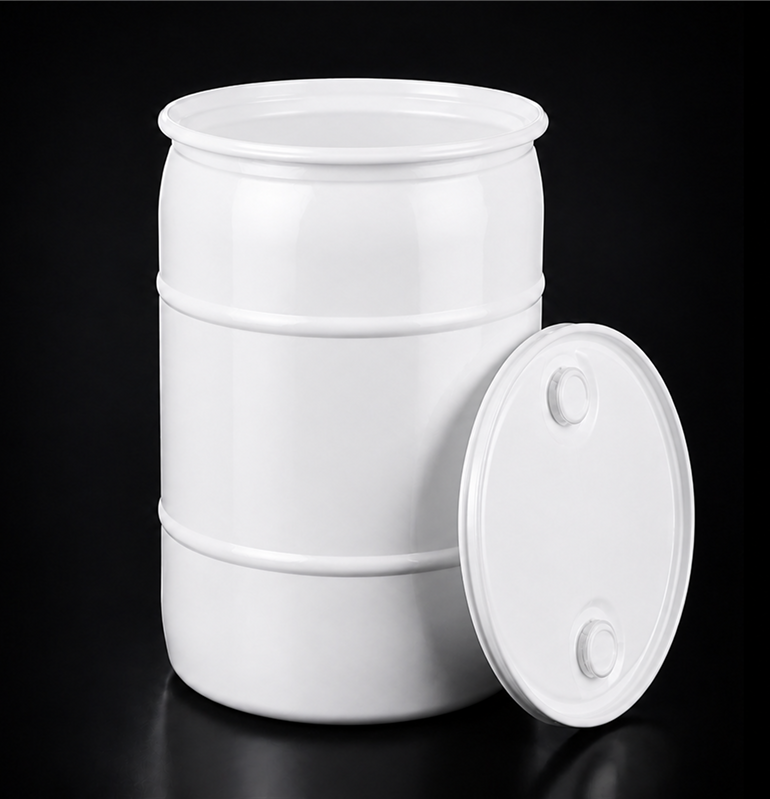
Natural HDPE drums are translucent for easy fill-level monitoring and molded from FDA-compliant, food-grade resin. They offer corrosion resistance and clean, hygienic storage for food, beverage, and pharmaceutical ingredients.
Translucent natural HDPE drums let you check fill levels at a glance and use FDA-compliant food-grade resin. Corrosion-proof and easy to sanitize, they suit food, beverage, and pharmaceutical products needing hygienic, lightweight containment.
HDPE construction will not rust and resists a broad range of acids, bases, and solvents.
FDA-compliant resins available for safe contact with food and beverage ingredients.
Significantly lighter than steel, reducing freight costs and easing manual handling.
Tight-head for liquids and open-head for thicker products, both with UN-rated options.
Acids & Caustics
Paints & Coatings
Industrial Chemicals
Food-Grade Ingredients
Liquid Fertilizers
Hazardous Liquids
Water Treatment Chemicals
Agricultural Chemicals
Waste & Recovery Materials
Verify HDPE resistance against your specific product to prevent permeation or stress cracking.
Closed-head for free-flowing liquids, open-head for viscous, paste, or solid products.
Specify FDA-compliant, food-grade resin for edible or pharmaceutical contents.
Confirm UN certification for hazardous goods and select blue, white, or natural as needed.
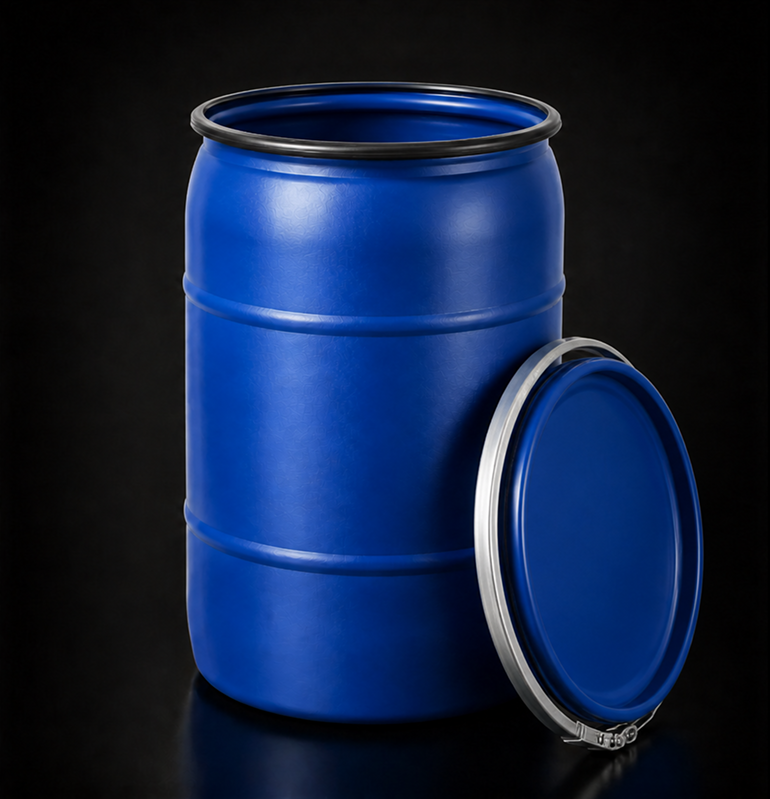
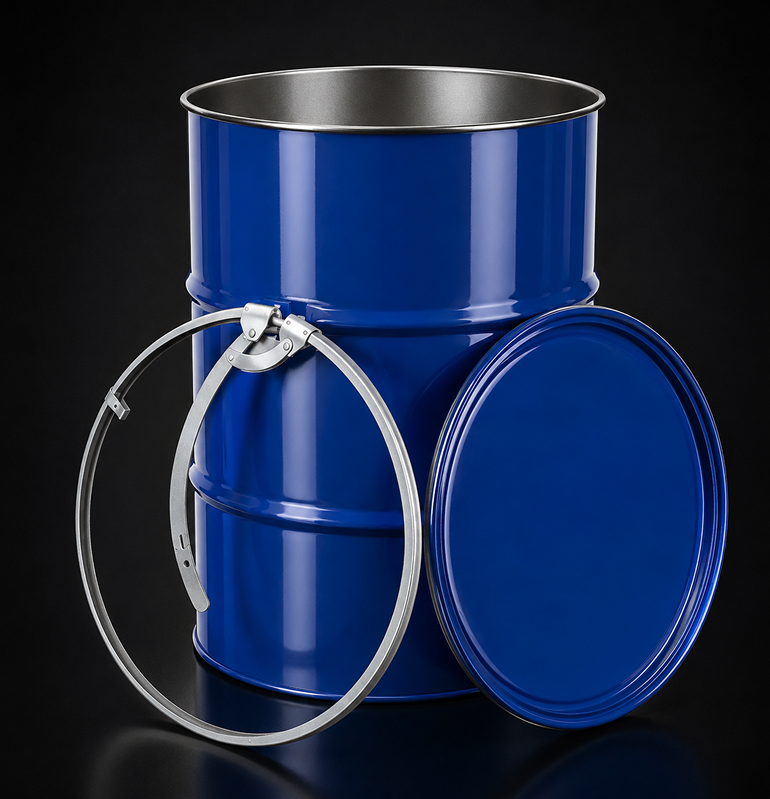
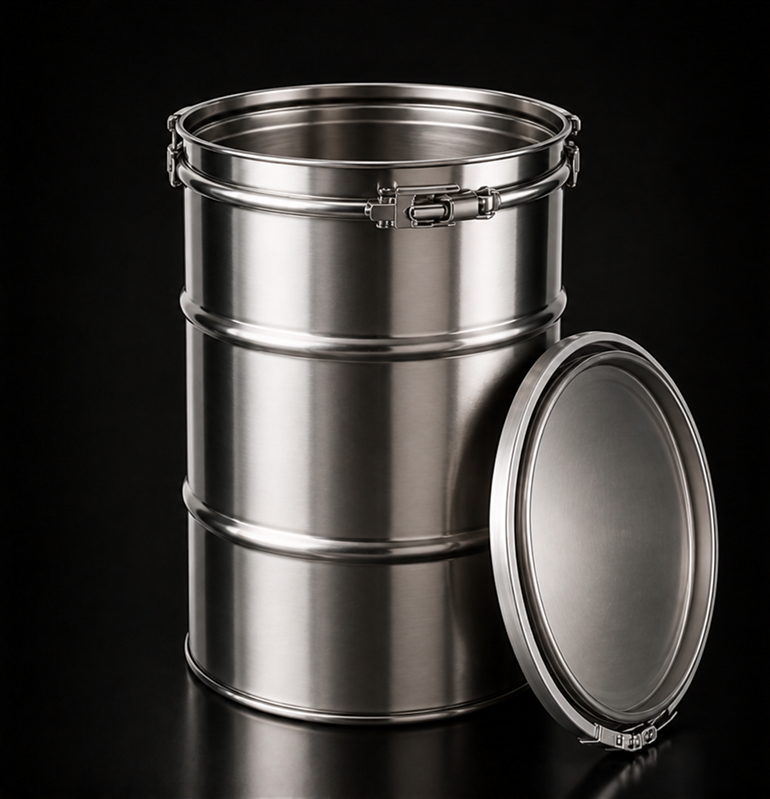
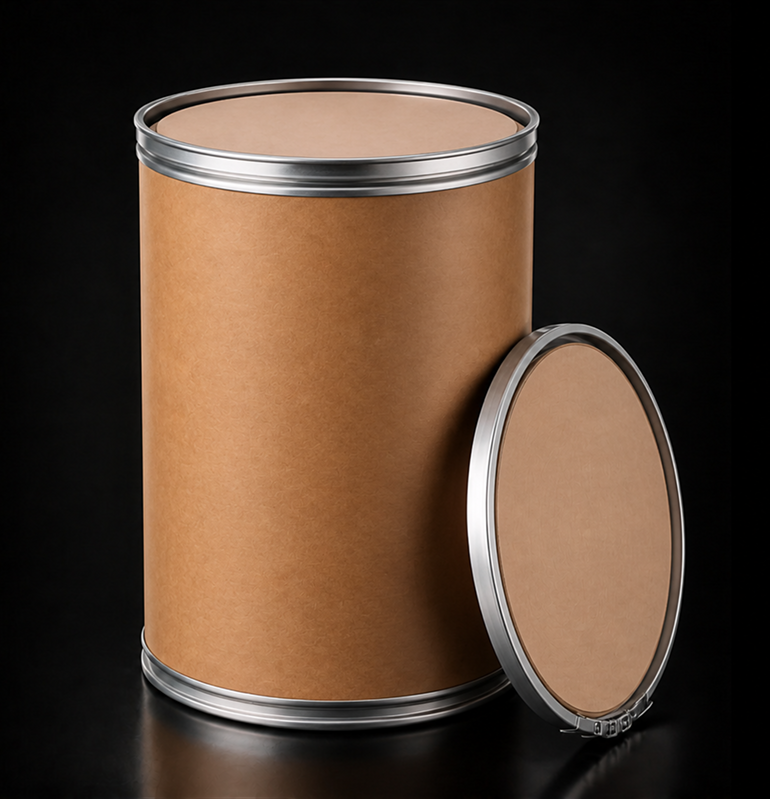
Our plastic drums are blow-molded from high-density polyethylene (HDPE), a tough, corrosion-resistant resin that will not rust and resists a wide range of chemicals. Food-grade and UN-rated resin options are available.
Yes. Plastic drums molded from FDA-compliant, food-grade HDPE are widely used for syrups, oils, concentrates, and other food and beverage ingredients. Always confirm the specific resin grade for your application.
Closed-head HDPE drums are available UN-rated for many hazardous liquids in Packing Groups I, II, and III. Chemical compatibility should always be verified, as some aggressive solvents can permeate or stress-crack polyethylene.
Yes. HDPE is one of the most widely recycled plastics, and clean poly drums can be reconditioned for reuse or recycled into new products, supporting a lower-waste packaging program.
Both grades are food- and pharma-safe, but 316 contains added molybdenum that gives it superior resistance to chlorides, salts, and aggressive acids. 304 is the cost-effective choice for general high-purity storage, while 316 is preferred for harsh or salt-laden products.