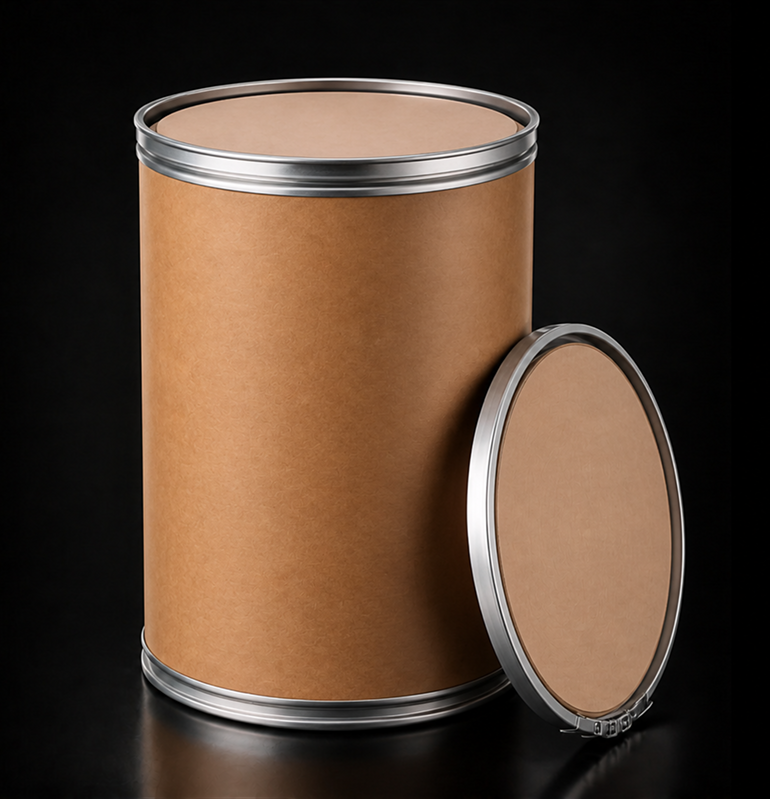
Fiber drums are the lightweight, cost-effective choice for storing and shipping dry materials. Made from high-strength kraft paperboard, they offer thermal protection and secure containment for powders, grains, and solid industrial products.
Premium high-density kraft paperboard drums offering maximum structural integrity at minimum tare weight. Ideal for dry ingredients, pharmaceutical powders, and bulk solids, with smooth non-abrasive walls and a low-weight, freight-saving design.
Compliant with UN/DOT regulations for safe transport of solid hazardous materials.
Reinforced top and bottom chimes for reliable stacked storage and transport.
Ideal for powders, granules, tablets, and dry food-grade ingredients.
100% recyclable and made from renewable materials for a lower carbon footprint.
Acids & Caustics
Paints & Coatings
Industrial Chemicals
Food-Grade Ingredients
Liquid Fertilizers
Hazardous Liquids
Water Treatment Chemicals
Agricultural Chemicals
Waste & Recovery Materials
Ensure your material is dry, granular, or solid, as standard fiber cannot hold non-contained liquids.
Opt for a classic lever-lock metal ring for easy, repetitive sealing or an all-fiber slide-on lid.
Choose an integrated polyethylene or foil liner if your product requires moisture protection.
Verify UN-rated drums for the safe transport of hazardous materials.
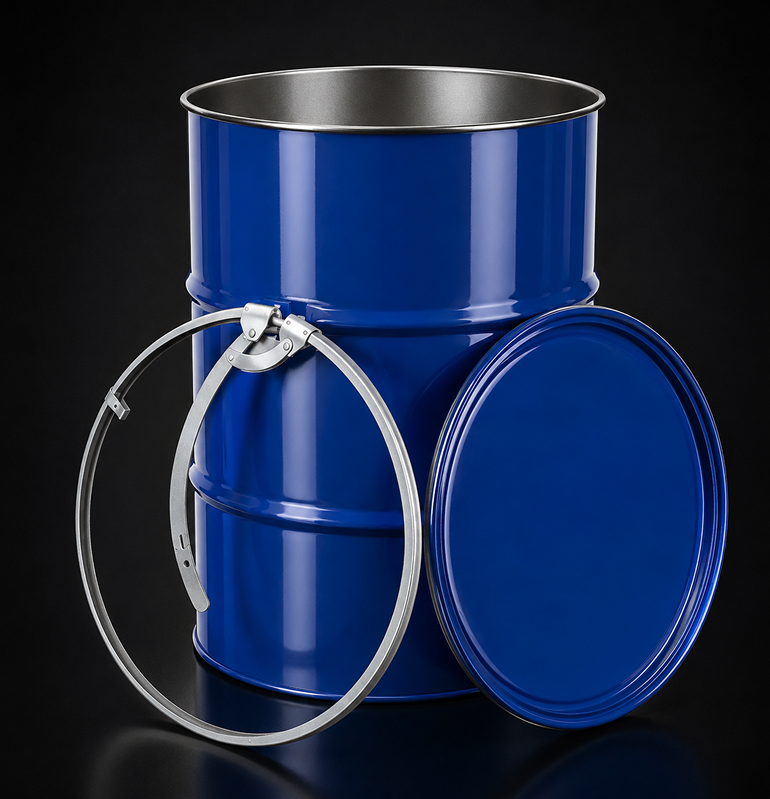
Fiber drums are lightweight containers for storing and transporting dry, granular, and semi-liquid products, including bulk chemicals, pharmaceuticals, and food ingredients. With an optional liner they can also hold pastes and contained liquids.
Yes. When fitted with an FDA-compliant polyethylene or foil liner, fiber drums provide a clean, food-safe barrier ideal for powders, grains, and dry food ingredients. The kraft body also offers natural thermal protection during storage and transit.
Fiber drums are made from renewable kraft paperboard and are 100% recyclable. Many can be reused for several cycles when kept dry and undamaged, making them one of the most sustainable bulk packaging options available.
Fiber drums are far lighter than steel and cheaper than steel or plastic, cutting freight and handling costs. They are renewable, recyclable, and have smooth walls that protect powders, though they suit dry products rather than free-flowing liquids.
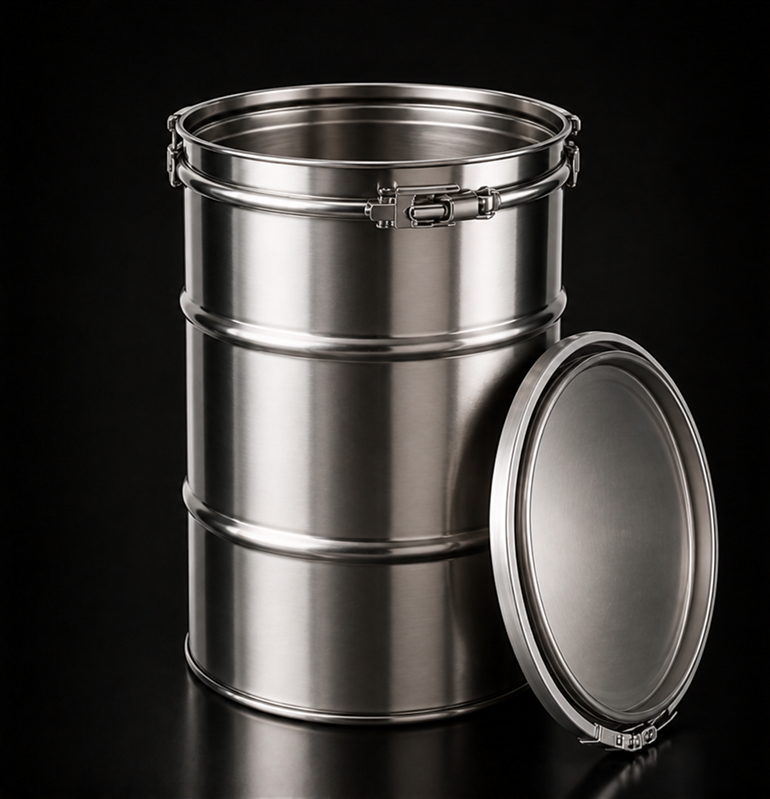
Both grades are food- and pharma-safe, but 316 contains added molybdenum that gives it superior resistance to chlorides, salts, and aggressive acids. 304 is the cost-effective choice for general high-purity storage, while 316 is preferred for harsh or salt-laden products.