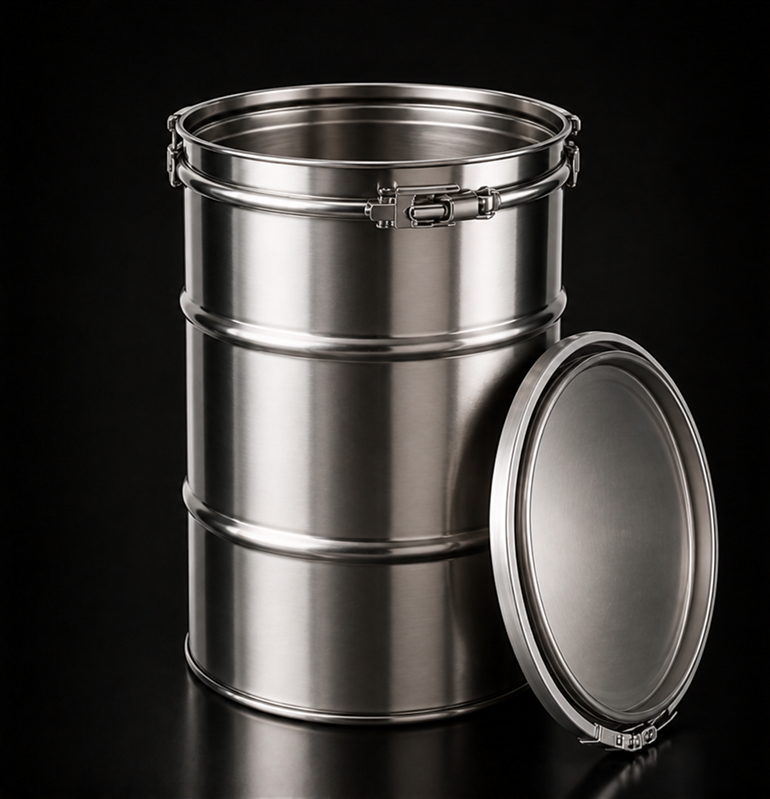
Stainless steel drums offer unmatched purity and corrosion resistance for high-value chemicals, food, and pharma. Built from 304 or 316 stainless, they withstand aggressive contents, repeated cleaning, and extreme temperatures for reusable service.
304 and 316-grade stainless drums for applications demanding purity, hygiene, and chemical resistance. Preferred for pharma, fine chemicals, and high-purity food, they tolerate steam and CIP cleaning for repeated, closed-loop reuse.
304 and 316 grades resist acids, chlorides, and aggressive chemicals across a wide pH range.
Non-reactive, non-porous walls protect product purity for pharma and food applications.
Withstands steam cleaning and CIP sanitation for safe, repeated closed-loop reuse.
Maintains integrity across extreme hot and cold processing and storage conditions.
Acids & Caustics
Paints & Coatings
Industrial Chemicals
Food-Grade Ingredients
Liquid Fertilizers
Hazardous Liquids
Water Treatment Chemicals
Agricultural Chemicals
Waste & Recovery Materials
Choose 316 for chloride or high-acid exposure, 304 for general high-purity service.
Select closed-head for liquids and open-head for solids, slurries, or easy cleaning access.
Specify interior surface finish for CIP, steam, or pharmaceutical-grade cleaning needs.
Match tri-clamp, bung, or lever-lock fittings to your filling and dispensing system.
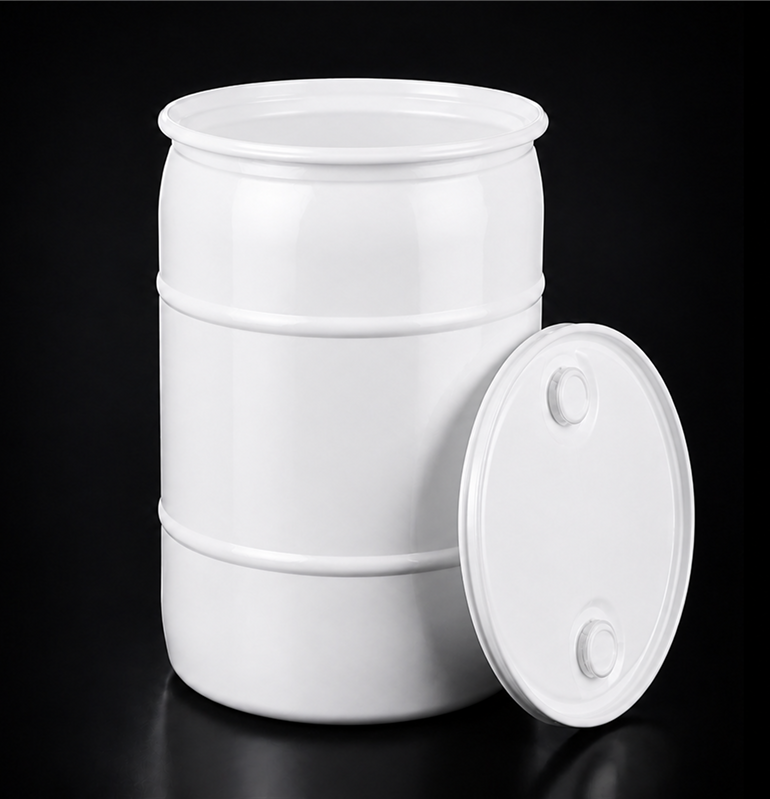
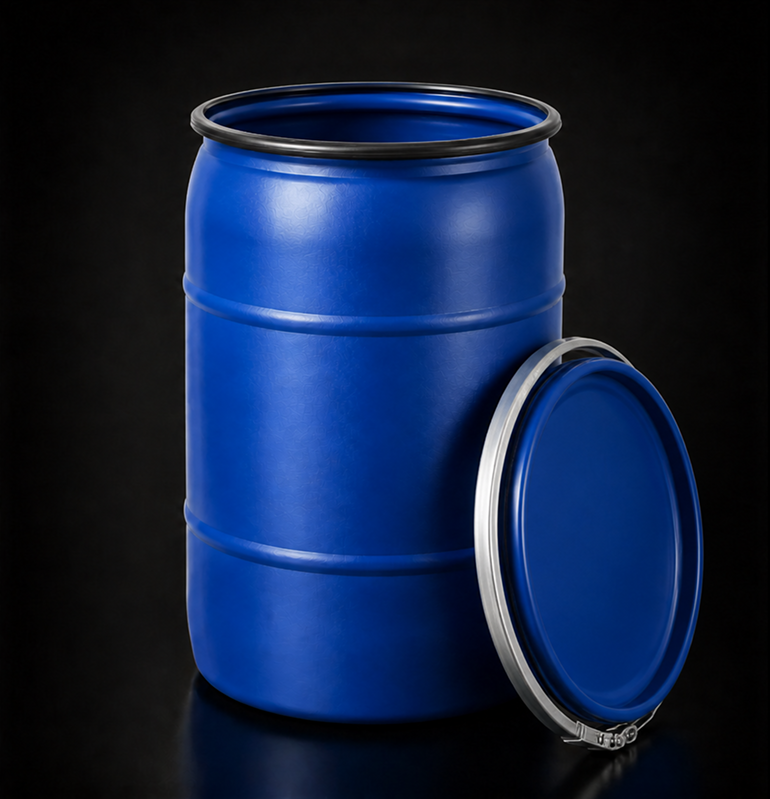
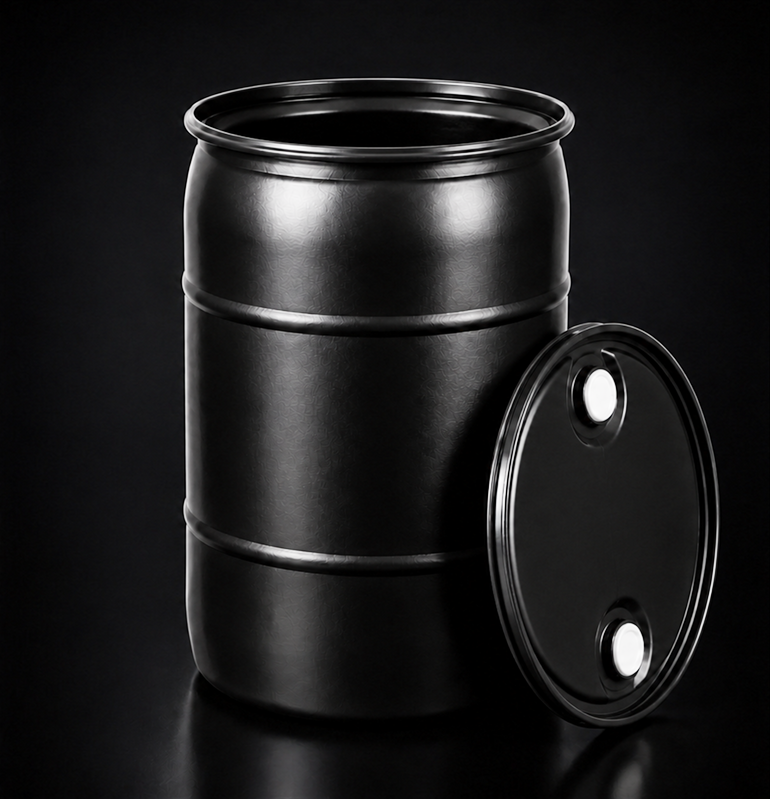
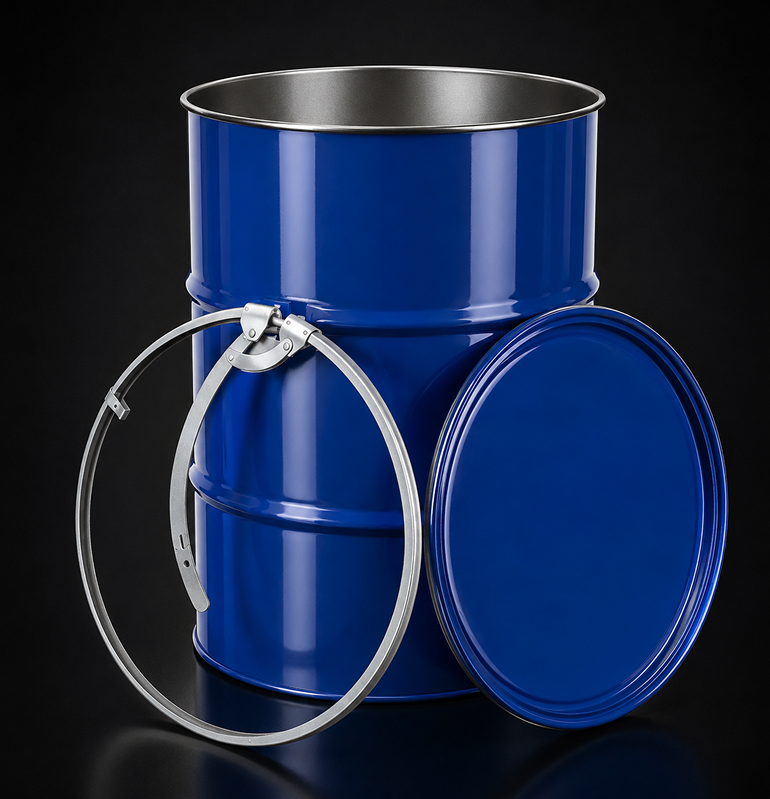
Stainless steel drums are used for high-purity chemicals, pharmaceuticals, flavors and fragrances, and premium food ingredients where corrosion resistance, hygiene, and reusability are essential. They excel in closed-loop and CIP-cleaned operations.
Absolutely. Stainless drums are built for long-term, repeated use and tolerate steam cleaning and CIP sanitation between batches. Their durability gives them the lowest total cost of ownership for high-value, recurring applications.
Yes. 304 and 316 stainless are non-reactive, non-porous, and easy to sanitize, making them ideal for food, beverage, and pharmaceutical products that demand strict purity and hygiene standards.
Stainless offers far greater corrosion resistance and purity than carbon steel and withstands chemicals and temperatures that degrade plastic. The upfront cost is higher, but its reusability and product protection deliver superior long-term value.
Both grades are food- and pharma-safe, but 316 contains added molybdenum that gives it superior resistance to chlorides, salts, and aggressive acids. 304 is the cost-effective choice for general high-purity storage, while 316 is preferred for harsh or salt-laden products.