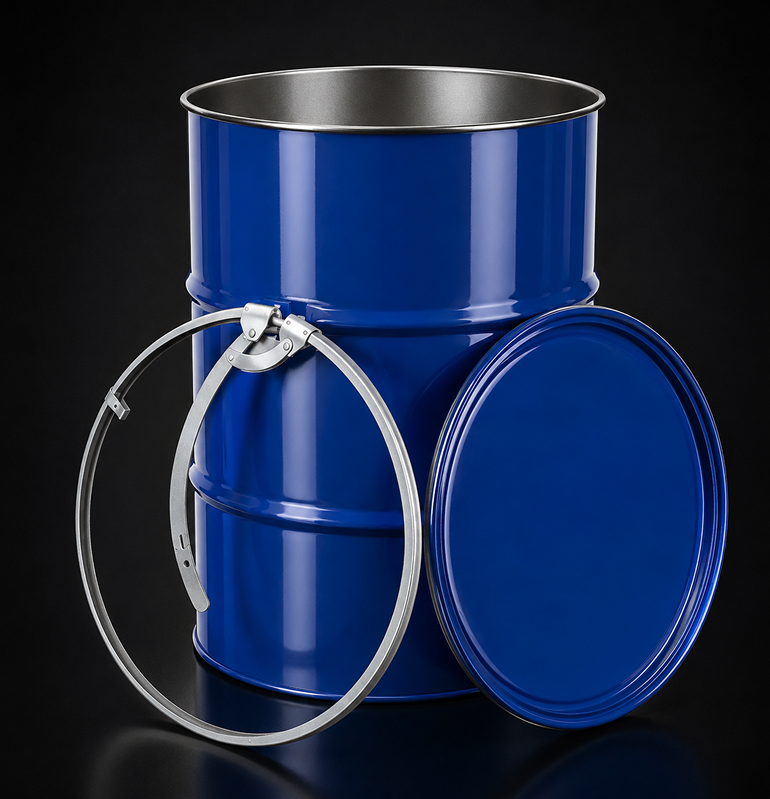
Steel drums are the industry standard for storing and shipping liquids, solvents, and hazardous materials. Built from rugged cold-rolled steel, they offer maximum strength, stackability, and UN-rated protection for demanding industrial use.
Heavy-gauge cold-rolled steel drums engineered to UN/DOT standards, available in open-head and closed-head styles for solvents, lubricants, corrosive chemicals, and hazardous waste across chemical, petroleum, and manufacturing operations.
Closed-head drums certified for Packing Groups I, II, and III hazardous liquids.
Heavy-gauge steel with rolling hoops for superior stacking strength and impact resistance.
Available in open-head and closed-head styles with 2" and 3/4" bung fittings.
Phenolic, epoxy, or lacquer interior coatings safeguard against corrosion and contamination.
Acids & Caustics
Paints & Coatings
Industrial Chemicals
Food-Grade Ingredients
Liquid Fertilizers
Hazardous Liquids
Water Treatment Chemicals
Agricultural Chemicals
Waste & Recovery Materials
Choose closed-head for liquids and hazardous materials, open-head for solids and easy access.
Select a phenolic or epoxy lining matched to the chemical compatibility of your product.
Confirm the required Packing Group and specific gravity rating for your hazardous material.
Specify bung sizes or lever-lock ring closures based on your filling and dispensing process.
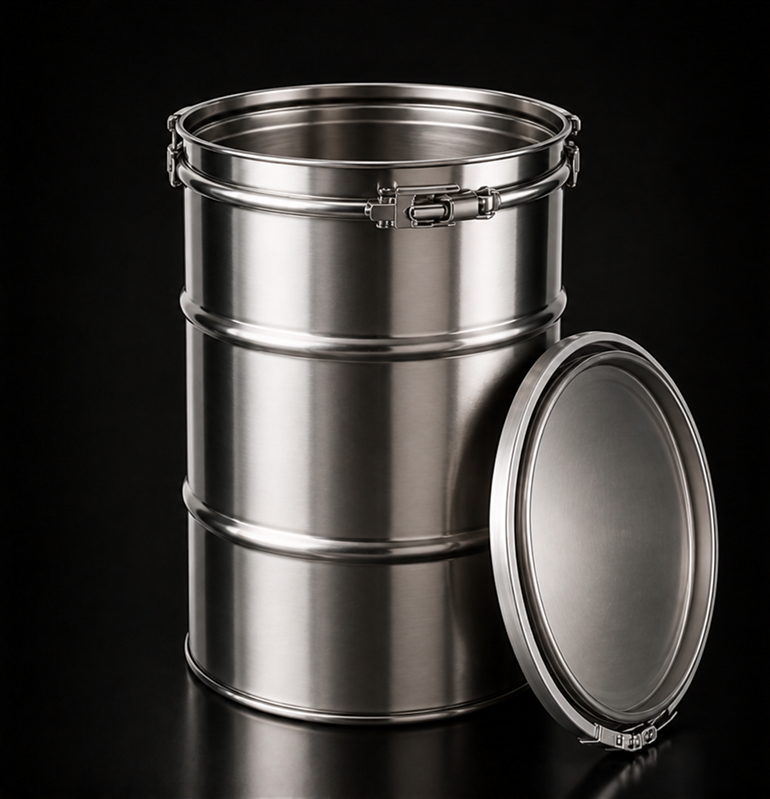
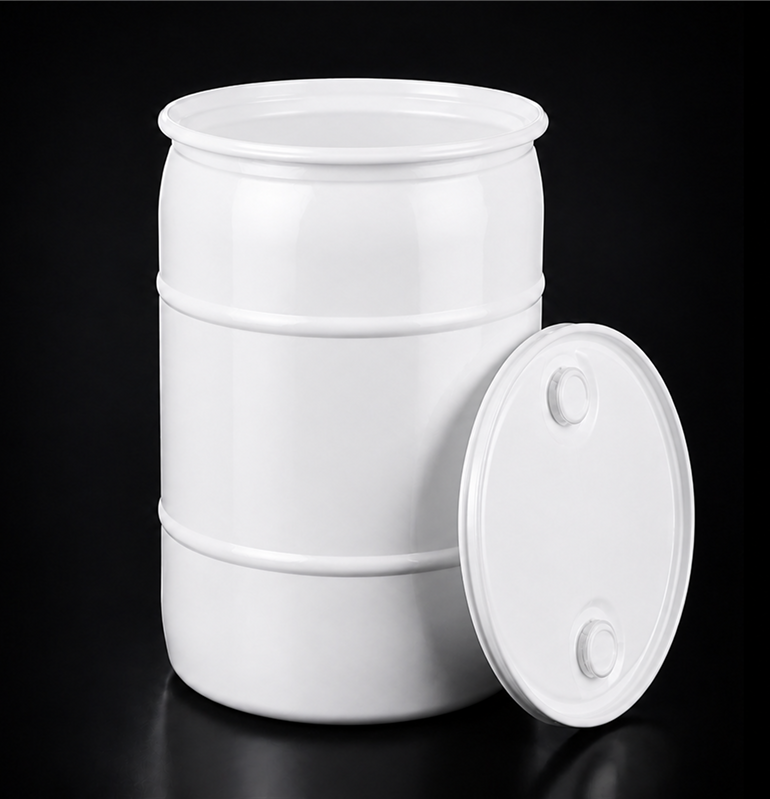
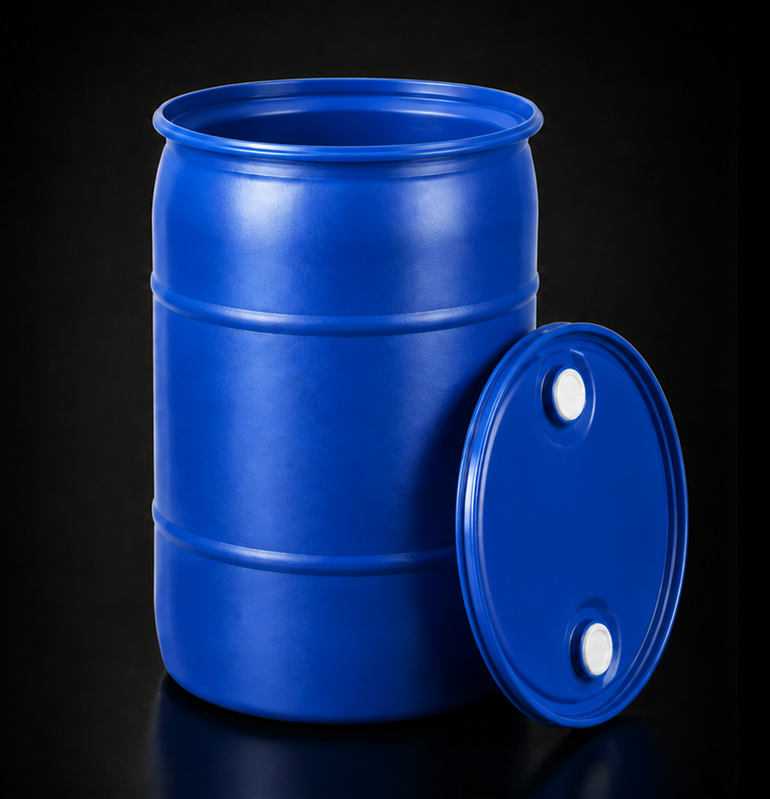
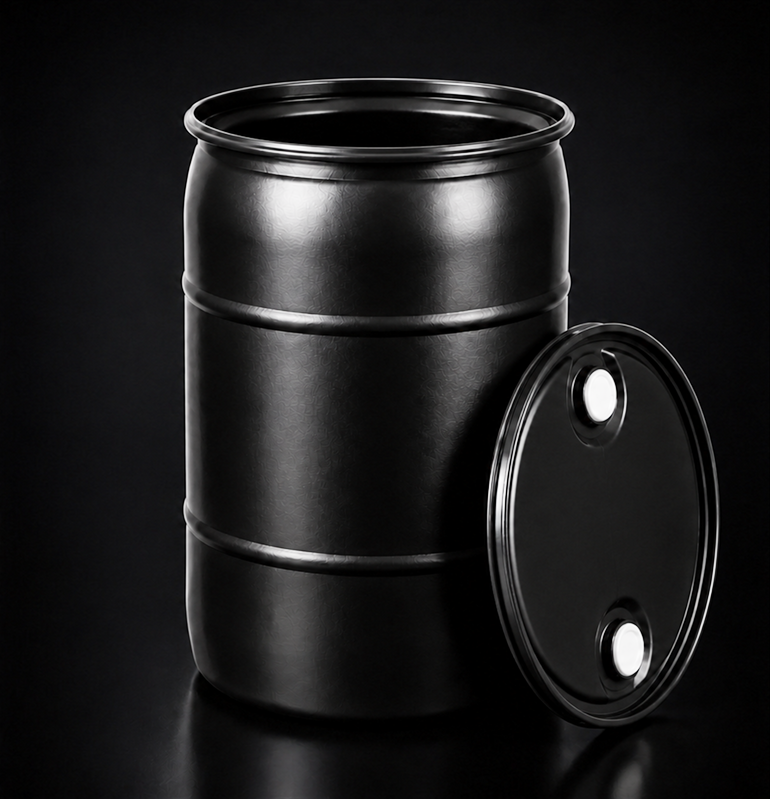
Steel drums are used to store and ship liquids, solvents, lubricants, coatings, and hazardous materials across chemical, petroleum, and manufacturing industries. Their strength and UN ratings make them the standard for regulated and high-value freight.
Open-head (removable-lid) drums suit solids and viscous products needing easy access; closed-head (tight-head) drums have sealed tops with bung openings for liquids. Closed-head can carry Packing Groups I-III hazardous liquids, open-head typically II-III.
Yes. Our steel drums are available UN/DOT-rated for hazardous materials and hazardous waste, as well as in non-UN configurations. The UN marking specifies the approved packing group and maximum specific gravity for your contents.
Steel drums are highly durable and can be professionally reconditioned for repeated use or fully recycled as scrap steel. This makes them both a rugged and environmentally responsible choice for industrial packaging.
Both grades are food- and pharma-safe, but 316 contains added molybdenum that gives it superior resistance to chlorides, salts, and aggressive acids. 304 is the cost-effective choice for general high-purity storage, while 316 is preferred for harsh or salt-laden products.